القضاء والقدر - الوجود والمعنىFate and Divine Decree — Existence and Meaning
الغاية الكبرى: تجلّي الكمال في العالم
بعد أن فهمتُ كيف يخلق الله العالم، وكيف ينتقل الإنسان عبر العوالم، بقي سؤال أعمق: لماذا؟
لماذا يوجد هذا العالم أصلاً؟ ما الغاية من كل هذا؟
الله كامل. هذا ما وصلتُ إليه في رحلتي. كماله ليس نقصاً يحتاج إلى تعويض، ولا فراغاً يحتاج إلى ملء. هو كامل بذاته، غني عن كل شيء.
لكن الكمال، بطبيعته، يفيض.
النور لا يحتاج سبباً ليُضيء. الإضاءة من طبيعته. والله، بكماله المطلق، يتجلّى. ليس لأنه يحتاج إلى التجلي، بل لأن التجلي من طبيعة الكمال.
العالم إذاً هو تجلّي الله. ظهور كماله في صور متعددة. كل مخلوق، كل قانون، كل لحظة - تعبير عن جانب من جوانب هذا الكمال اللامتناهي.
لماذا وجد العالم ؟ لأن التجلي من طبيعة الكمال
من هذا التجلي، نشأت المخلوقات.
مخلوقات مختلفة في قدراتها وأدوارها. الإنسان بوعيه، الحيوان بغرائزه، النبات بنموّه الصامت، الجماد بثباته. كل واحد يعبّر عن شيء، ويؤدي دوراً في منظومة أكبر.
هذه المخلوقات لا تعمل بشكل عشوائي. بل تعمل داخل نظام كوني منضبط. قوانين تحكم حركتها، علاقات تربط بعضها ببعض، توازنات تحفظ استمرارها. الكون ليس فوضى، بل سيمفونية. كل آلة تعزف دورها، والمجموع ينتج لحناً, ويصنع عالماً لاحقاً.
هذا النظام يسير عبر ما نسمّيه الزمن.
الزمن هو المسار الذي تتحرك فيه الأشياء. البداية والنهاية، السبب والنتيجة، التغيّر والتحوّل - كل هذا يحدث في الزمن. بدونه، لا معنى للحركة، ولا معنى للنمو، ولا معنى للرحلة.
العالم يسير في الزمن نحو شيء ما. ليس دوراناً أعمى بلا هدف. بل حركة متجهة. والسؤال: نحو ماذا؟
إذا كان العالم تجلياً لكمال الله، فلا بد أن يبلغ هذا التجلي في مرحلة ما صورته المكتملة.
ما معنى "الصورة المكتملة"؟
أن يصبح كل ما في الوجود موجّهاً نحو الخير. أن ينسجم كل شيء مع مصدره. أن يعكس العالم كمال الله بأوضح صورة ممكنة.
هذه هي الغاية. ليست غاية يحتاجها الله - فهو غني عن كل شيء - بل غاية للعالم نفسه. اكتمال المسار. وصول الرحلة إلى منتهاها.
لكن هنا تظهر إشكالية.
إذا كان العالم يسير نحو اكتمال، فلماذا النقص الذي نراه؟ لماذا الألم والظلم والشر؟ لماذا لم يُخلق العالم مكتملاً من البداية؟
تأملتُ في هذا طويلاً.
المخلوقات، بحكم كونها مخلوقات، محدودة. الحدود جزء من طبيعتها. ولأنها محدودة، فهي تحمل في داخلها إمكانية النقص. والنقص، حين يظهر، يأخذ شكل ما نسمّيه شراً.
الشر ليس قوة مستقلة تنافس الخير. الشر غياب. غياب الخير في موضع كان ينبغي أن يكون فيه. كالظلمة التي ليست شيئاً بذاتها، بل غياب النور.
المخلوقات، لأنها محدودة، قد تُخطئ الهدف. قد تنحرف عن المسار. قد تختار ما يضرها ويضر غيرها. هذا الانحراف هو مصدر الشر في العالم.
إذاً، ما دام الشر موجوداً، فهذا يعني أن العالم لم يبلغ بعد غايته.
المسار لم يكتمل. الرحلة لا تزال جارية. نحن في منتصف الطريق، لا في نهايته.
لكن السؤال يبقى: كيف يصل هذا المسار إلى اكتماله؟ إذا كانت المخلوقات محدودة بطبيعتها، وإذا كانت الحدود تُنتج النقص، فكيف يمكن للعالم أن يبلغ صورته المكتملة؟
ما الآلية التي تدفع الأشياء نحو الاكتمال؟ وما دور الإنسان في هذه الآلية؟
هذه الأسئلة قادتني إلى فهم القضاء والقدر بطريقة جديدة. ليس كقوة خارجية تفرض نفسها على الإنسان، بل كحركة كونية تقود كل شيء نحو غايته.
القضاء والقدر: الحركة الكونية نحو الغاية
كل شيء في هذا العالم يبدأ في لحظة معينة وينتهي في لحظة أخرى.
الإنسان يولد ويموت. الشجرة تنبت وتذبل. الحضارات تقوم وتسقط. حتى الكواكب والنجوم لها بداية ونهاية. لا شيء يبقى كما هو إلى الأبد.
بين البداية والنهاية، يمتد مسار. سلسلة من الأحداث والتحولات تربط اللحظة الأولى باللحظة الأخيرة. هذا المسار ليس عشوائياً. له اتجاه، له منطق، له غاية.
في هذا المسار، أسمّي النتيجة النهائية "قضاءً".
القضاء هو ما يؤول إليه الشيء في نهاية المطاف. المآل الذي تصل إليه الرحلة. ليس حكماً يُفرض من خارج، بل محصلة طبيعية لكل ما سبقه.
وأسمّي النتائج الجزئية التي تظهر على الطريق "أقداراً".
الأقدار هي المحطات التي نمر بها قبل الوصول إلى القضاء. كل حدث، كل تحوّل، كل نتيجة صغيرة - هذه أقدار. تتراكم، تتفاعل، تتشابك، حتى تصل في النهاية إلى القضاء.
لكن الأقدار ليست مجرد أحداث عشوائية نمر بها.
الأقدار إشارات.
فكّرتُ في هذا كثيراً. حين يمر الإنسان بتجربة معينة - نجاح أو فشل، فرح أو ألم، لقاء أو فراق - هذه التجربة تحمل رسالة. تقول له شيئاً عن المسار الذي يسير فيه.
الفشل المتكرر في مجال معين قد يكون إشارة إلى أن هذا ليس طريقك. الألم الذي يأتي بعد سلوك معين قد يكون إشارة إلى أن هذا السلوك يضرك. الراحة التي تشعر بها مع أشخاص معينين قد تكون إشارة إلى أنهم مناسبون لك.
الأقدار تعطينا لمحات عن الاتجاه الذي تسير إليه حياتنا. تُظهر لنا عواقب اختياراتنا قبل أن نصل إلى النهاية.
أتذكر تجربة مررتُ بها قبل سنوات.
كنتُ أعمل في مكان لم أكن مرتاحاً فيه. شيء في داخلي كان يقول إن هذا ليس مكاني. لكنني تجاهلت الصوت. الراتب جيد، الوظيفة مستقرة، لماذا أغامر؟
مع الوقت، بدأت أشعر بإرهاق غريب. ليس إرهاق العمل الطبيعي، بل شيء أعمق. كنتُ أستيقظ في الصباح وأنا أتمنى لو أن اليوم ينتهي قبل أن يبدأ. صحتي تأثرت. علاقاتي تأثرت. كنتُ أصبح شخصاً لا أعرفه.
هذه كانت أقدار. إشارات. كانت تقول لي: أنت في الطريق الخطأ.
لكنني لم أفهم في البداية. أو ربما فهمتُ لكنني رفضت أن أستمع.
ثم جاء اليوم الذي أُجبرتُ فيه على ترك ذلك المكان. ظروف خارجة عن إرادتي. في تلك اللحظة، شعرتُ أن الكارثة حلّت.
لكن بعد أشهر، حين نظرتُ إلى الوراء، رأيتُ الصورة بشكل مختلف. تلك "الكارثة" كانت أفضل شيء حدث لي. أخرجتني من مكان كان يدمّرني ببطء. فتحت أمامي أبواباً لم أكن لأراها لو بقيت هناك.
الأقدار التي سبقت - الإرهاق، عدم الراحة، المشاكل الصحية - كانت تحاول أن تقول لي هذا. كانت تحاول أن توجّهني. لكنني لم أستمع، فجاء القدر الأكبر ليُخرجني بالقوة.
هذه المعرفة تمنح الإنسان فرصة.
فرصة لتعديل مساره قبل فوات الأوان.
إذا كانت الأقدار إشارات، وإذا كنتُ قادراً على قراءتها، فيمكنني أن أستبق العواقب. يمكنني أن أرى إلى أين يقودني هذا الطريق، وأقرر: هل أستمر أم أغيّر الاتجاه؟
الإنسان الذي يفهم أقداره لا يُفاجأ بقضائه. يراه قادماً من بعيد. وإذا لم يعجبه ما يراه، يملك الوقت ليغيّر شيئاً.
هذا لا يعني أننا نتحكم في كل شيء. هناك أقدار خارجة عن إرادتنا تماماً - المرض، الكوارث، أفعال الآخرين. لكن حتى هذه الأقدار تحمل إشارات. تقول لنا شيئاً عن الحياة، عن أنفسنا، عن ما هو مهم حقاً.
لكن قراءة الأقدار ليست سهلة.
في بدايات حياتنا، نكون عمياناً تقريباً. لا نفهم ما تحاول الأحداث أن تقوله لنا. نمر بتجارب مؤلمة ولا نتعلم منها. نكرر نفس الأخطاء مرة بعد مرة.
هذا طبيعي.
الفهم يحتاج وقتاً. يحتاج تجربة متراكمة. يحتاج أن نسقط ونقوم، ونسقط ونقوم، حتى نبدأ نلاحظ الأنماط.
مع الزمن، تصبح القراءة أسهل. نبدأ نرى العلاقة بين الأفعال والنتائج. نبدأ نفهم لغة الأقدار. نصبح أقدر على تصحيح مساراتنا قبل أن نصطدم بالجدار.
هذا جزء من الحكمة التي تأتي مع العمر. ليست معلومات نقرأها في كتاب، بل فهم نكتسبه بالعيش.
القضاء والقدر إذاً ليسا قيداً يكبّل الإنسان.
بل هما نظام يوجّهه.
الأقدار ترسل الإشارات. والإنسان يقرأ ويقرر. والقضاء هو المحصلة النهائية لهذا التفاعل بين ما يأتي من الخارج وما يختاره الإنسان من الداخل.
ليس استسلاماً للمصير، بل حواراً معه.
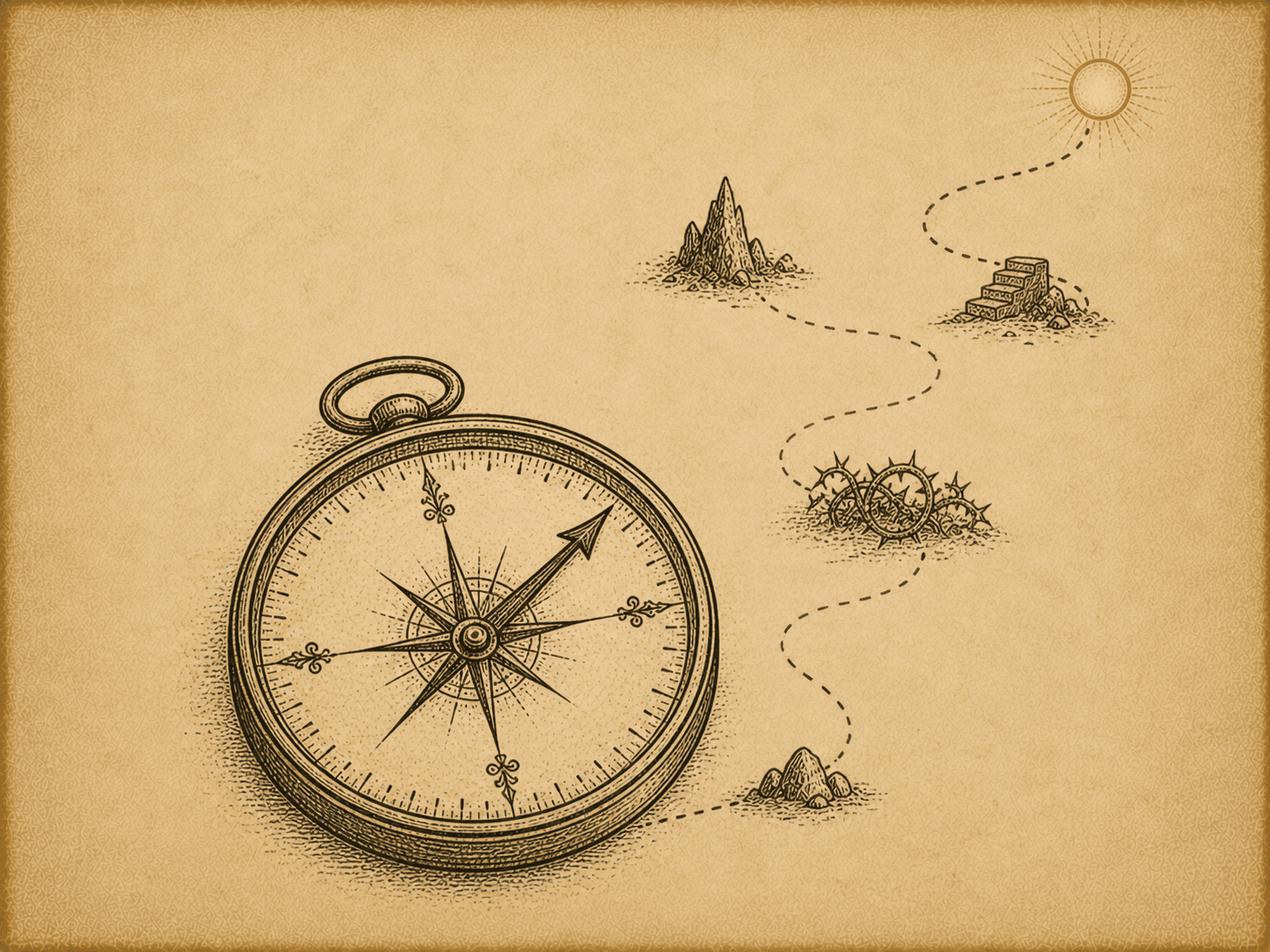
الألم والمعاناة: بوصلة التكوين
كل إنسان يبحث عن الراحة.
هذا ليس ضعفاً أو أنانية. إنه شيء مغروس في طبيعتنا. نبحث عن الطمأنينة، عن السعادة، عن السلام الداخلي. نهرب من الألم ونسعى نحو ما يريحنا.
هذا الانجذاب الطبيعي ليس عبثاً. إنه يدل على شيء. يدل على الغاية التي خُلقنا من أجلها. لو كانت غايتنا الألم، لكنا ننجذب إليه. لكننا ننجذب إلى الراحة، وهذا يعني أن الراحة هي وجهتنا الأصلية.
لكن الطريق إلى هذه الوجهة لا يخلو من الألم.
هذه مفارقة ظاهرية: نسعى نحو الراحة، لكن الطريق إليها يمر عبر تجارب مؤلمة.
الطفل يتعلم المشي بالسقوط. الطالب يتعلم بالفشل قبل النجاح. العلاقات تنضج بالخلافات والمصالحات. لا شيء ذو قيمة يأتي بسهولة تامة.
لماذا؟
لأن الراحة الحقيقية ليست غياب التحدي. الراحة الحقيقية هي القدرة على مواجهة التحدي والتغلب عليه. هي النمو الذي يجعلنا أقوى وأحكم وأقدر على التعامل مع الحياة.
الألم جزء من هذا النمو. ليس عقوبة، بل أداة.
فكّرتُ في وظيفة الألم.
حين تضع يدك على شيء ساخن، تشعر بألم فوري. هذا الألم ليس عبثاً. إنه تحذير. يقول لك: ابتعد، هذا يؤذيك. لولا الألم، لبقيت يدك على النار حتى تحترق.
الألم الجسدي نظام إنذار. يحمي الجسد من الأذى.
والألم النفسي؟ أليس نظام إنذار أيضاً؟
أتذكر فترة في حياتي كنتُ أعيش فيها بطريقة لم تكن صحيحة.
لم أكن أفعل شيئاً "سيئاً" بالمعنى الواضح. لكنني كنتُ أهمل أشياء مهمة. أهمل علاقاتي، أهمل صحتي، أهمل الأسئلة العميقة التي كانت تطرق باب وعيي. كنتُ أملأ وقتي بأشياء تُلهيني لكنها لا تُغنيني.
مع الوقت، بدأتُ أشعر بثقل غريب.
ليس حزناً على شيء محدد. بل ضيق عام. شعور بأن شيئاً ما ليس على ما يرام. كنتُ أستيقظ وأنا متعب رغم النوم الكافي. أجلس مع الناس وأشعر بالوحدة. أحقق أشياء ولا أشعر بالرضا.
هذا كان ألماً. ألم نفسي خفيف لكنه مستمر. كان يقول لي شيئاً.
في البداية حاولتُ تجاهله. زدتُ من الإلهاءات. لكن الألم لم يختفِ. بل ازداد.
حتى جاء يوم توقفتُ فيه وسألتُ نفسي: ما الذي يحاول هذا الشعور أن يقوله لي؟
وحين استمعتُ حقاً، فهمت. كنتُ أسير في الاتجاه الخاطئ. كنتُ أبتعد عن الأشياء التي تُعطي حياتي معنى، وأقترب من أشياء تستهلكني دون أن تُغذيني.
الألم كان بوصلة. كان يشير إلى الخطأ.
الندم ألم. يأتي بعد فعل نعرف أنه كان خاطئاً. لو لم نشعر بالندم، لما عرفنا أننا أخطأنا. الندم يقول: هذا ليس أنت، هذا ليس ما يجب أن تكون عليه.
الشعور بالذنب ألم. يأتي حين نؤذي أحداً أو نخون قيمة نؤمن بها. الذنب يقول: لقد انحرفت عن مسارك، عُد.
القلق ألم. يأتي حين نواجه المجهول أو نخاف من المستقبل. لكنه أيضاً يقول شيئاً: هناك شيء يحتاج انتباهك، لا تتجاهله.
حتى الحزن، في عمقه، يحمل رسالة. يقول: هذا الشيء كان مهماً لك. فقدانه يؤلم لأنه كان ذا قيمة.
كل هذه الآلام إشارات. ليست عقوبات من الخارج، بل أصوات من الداخل.
هذا لا يعني أن كل ألم نستحقه أو أننا سببناه لأنفسنا.
هناك ألم يأتي من الخارج. ظلم الآخرين، الكوارث الطبيعية، المرض الذي يصيبنا دون سبب واضح. هذا الألم ليس "خطأنا".
لكن حتى هذا الألم يحمل شيئاً. ربما لا يشير إلى خطأ ارتكبناه، لكنه يشير إلى شيء نحتاج أن نتعلمه. الصبر، القوة، التعاطف مع الآخرين الذين يعانون. أو ربما يشير إلى هشاشة الحياة وضرورة تقدير ما نملك.
الألم، بكل أنواعه، يدعونا للتوقف والتأمل. يكسر الروتين الأعمى ويجبرنا على السؤال.
الإنسان الذي يفهم هذا يتعامل مع الألم بشكل مختلف.
لا يهرب منه بشكل أعمى. ولا يستسلم له بشكل كامل. بل يسأل: ما الذي يحاول هذا الألم أن يقوله لي؟ ما الذي يشير إليه؟ كيف يمكنني أن أستفيد منه؟
هذا لا يجعل الألم أقل إيلاماً. لكنه يجعله ذا معنى. والألم ذو المعنى أسهل في التحمل من الألم العبثي.
الألم بوصلة. والبوصلة لا تأخذك إلى الوجهة بنفسها. لكنها تُريك الاتجاه. والباقي عليك.
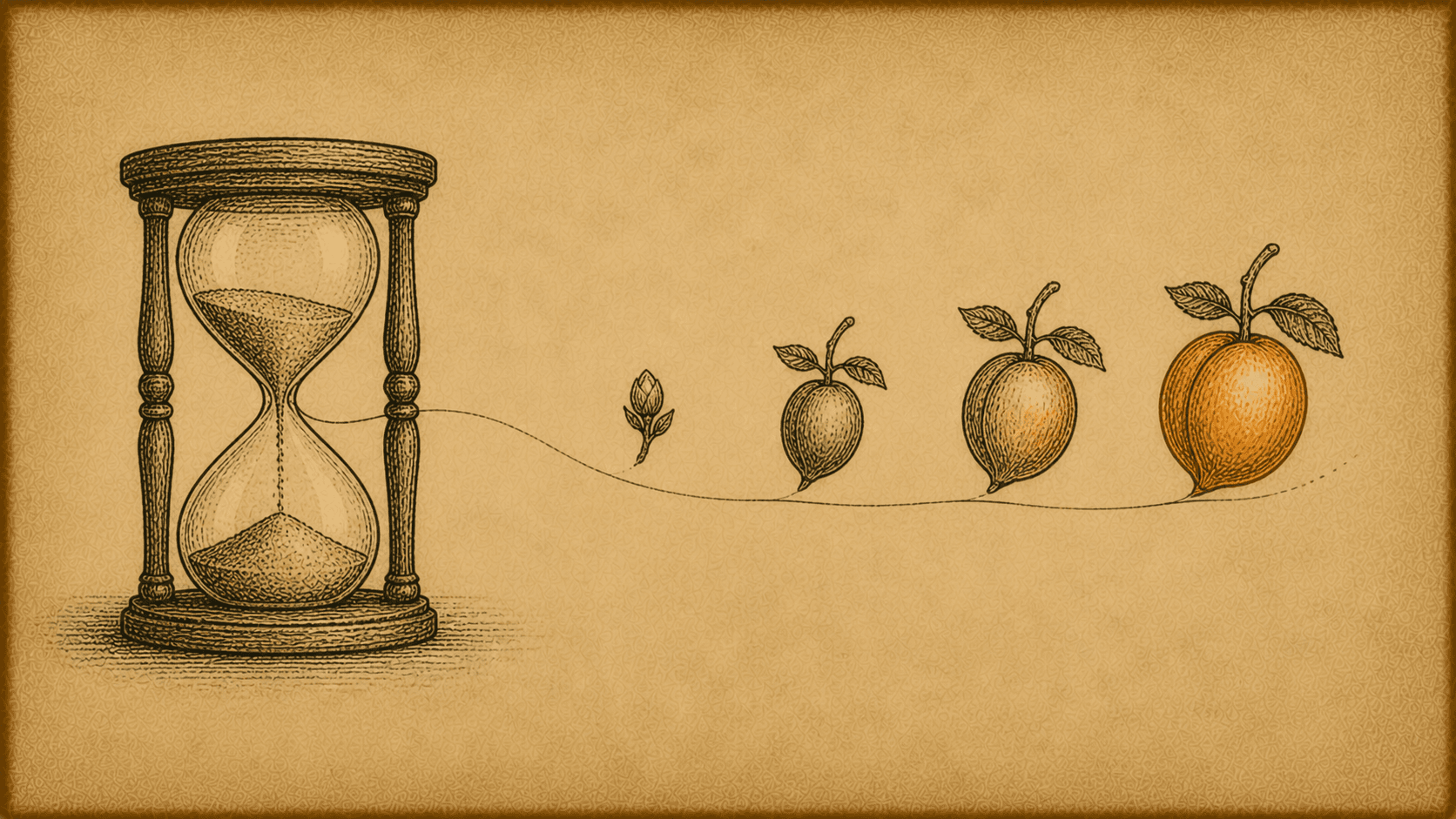
الزمن: مسرح الصيرورة ونضج المعنى
ما الزمن؟
سؤال بسيط في ظاهره، لكنه من أعقد الأسئلة التي واجهتها. كلنا نعيش في الزمن، نشعر به يمر، نقيسه بالساعات والأيام والسنين. لكن ما هو حقاً؟
الزمن هو المجال الذي تتحرك فيه الأشياء.
بدون الزمن، لا معنى للحركة. لا معنى للتغيّر. لا معنى للقبل والبعد. كل شيء سيكون ثابتاً، جامداً، متوقفاً في لحظة واحدة أبدية.
الزمن هو ما يسمح للأحداث أن تتتابع. للأسباب أن تُنتج نتائج. للبذرة أن تصبح شجرة. للطفل أن يصبح رجلاً. للفكرة أن تتحول إلى فعل.
الزمن هو المسرح الذي تُعرض عليه مسرحية الوجود.
فكّرتُ في ضرورة الزمن.
لماذا لم يُخلق العالم مكتملاً من البداية؟ لماذا هذا المسار الطويل من التحولات والتغيرات؟ لماذا لا يحدث كل شيء دفعة واحدة؟
الجواب، كما فهمته، يتعلق بطبيعة المخلوقات.
نحن لا نأتي إلى الوجود مكتملين. نأتي كإمكانية تحتاج أن تتحقق. كبذرة تحتاج أن تنمو. النمو يحتاج وقتاً. التعلم يحتاج وقتاً. النضج يحتاج وقتاً.
الطفل لا يستطيع أن يفهم ما يفهمه الكبير. ليس لأنه أقل ذكاءً، بل لأنه لم يمر بما يكفي من التجارب. لم يتراكم لديه ما يكفي من الخبرة. الفهم يحتاج زمناً ليتشكّل.
والحكمة لا تُولد مع الإنسان. تُكتسب. ببطء. عبر السنين. عبر الأخطاء والدروس. عبر السقوط والنهوض.
الزمن ليس عائقاً أمام الاكتمال. الزمن هو الطريق إليه.
لكننا كثيراً ما ننظر إلى الزمن كعدو.
نشعر أنه يسرقنا. يأخذ شبابنا، يُبعد عنا من نحب، يقرّبنا من النهاية. نحاول أن نتسابق معه، أن نهزمه، أن نوقفه.
لكن هذه النظرة تفوّت شيئاً مهماً.
الزمن لا يعمل ضدنا. الزمن يعمل معنا. يعطينا الفرصة للنمو، للتغيّر، للتصحيح. كل يوم جديد هو فرصة جديدة. كل لحظة هي إمكانية لم تُستنفد بعد.
من ينظر إلى الزمن كعدو يقضي حياته في معركة خاسرة. من ينظر إليه كحليف يستثمره فيما ينفع.
من أهم ما يعلّمنا إياه الزمن: الانتظار.
نحن نريد كل شيء الآن. النتائج الفورية، الإجابات السريعة، الإشباع اللحظي. لكن الأشياء ذات القيمة لا تأتي هكذا.
الشجرة المثمرة تحتاج سنوات لتنمو. العلاقة العميقة تحتاج وقتاً لتتوطد. المهارة الحقيقية تحتاج ممارسة طويلة. الفهم العميق يحتاج تأملاً متأنياً.
الانتظار ليس مضيعة للوقت. الانتظار جزء من العملية.
البذرة تحت التراب تبدو كأنها لا تفعل شيئاً. لكنها في الحقيقة تعمل. تمتص الماء، تكسر قشرتها، تمد جذورها. العمل يحدث في الخفاء، والنتيجة تظهر في وقتها.
كذلك نحن. كثير مما يحدث فينا يحدث في الخفاء. أفكار تختمر، مشاعر تتبلور، فهم يتشكّل ببطء. ثم يأتي يوم ونجد أننا تغيّرنا، دون أن نعرف بالضبط متى حدث التغيّر.
الزمن أيضاً يضع كل شيء في مكانه.
ما يبدو كارثة اليوم قد يظهر غداً كنعمة. ما نظنه فشلاً قد يتبيّن أنه كان إعداداً لشيء أفضل. لكننا لا نرى هذا إلا بعد مرور الوقت.
الزمن يكشف الحقائق. يُظهر ما كان مخفياً. يفصل بين الحقيقي والزائف، بين الثابت والعابر.
لهذا ننصح من يمر بأزمة: "أعطِ الأمر وقتاً." ليس لأن الوقت يحل المشاكل بنفسه، بل لأن الوقت يسمح لنا برؤية الصورة الكاملة. ما لا نراه اليوم قد نراه غداً.
الزمن إذاً ليس قيداً مفروضاً علينا.
بل هو أداة. أداة تُنظّم حركة الأحداث، تضبط تحقق الأشياء، تعطي كل شيء وقته المناسب.
لكل نتيجة توقيتها. لكل ثمرة موسمها. لكل مرحلة من حياتنا ما يناسبها.
والحكيم هو من يفهم هذا. لا يستعجل ما يحتاج وقتاً. لا يتأخر عما حان أوانه. يتحرك مع الزمن، لا ضده.
في النهاية، الزمن ليس ما نخسره. الزمن هو ما نُعطاه لنصنع به شيئاً.
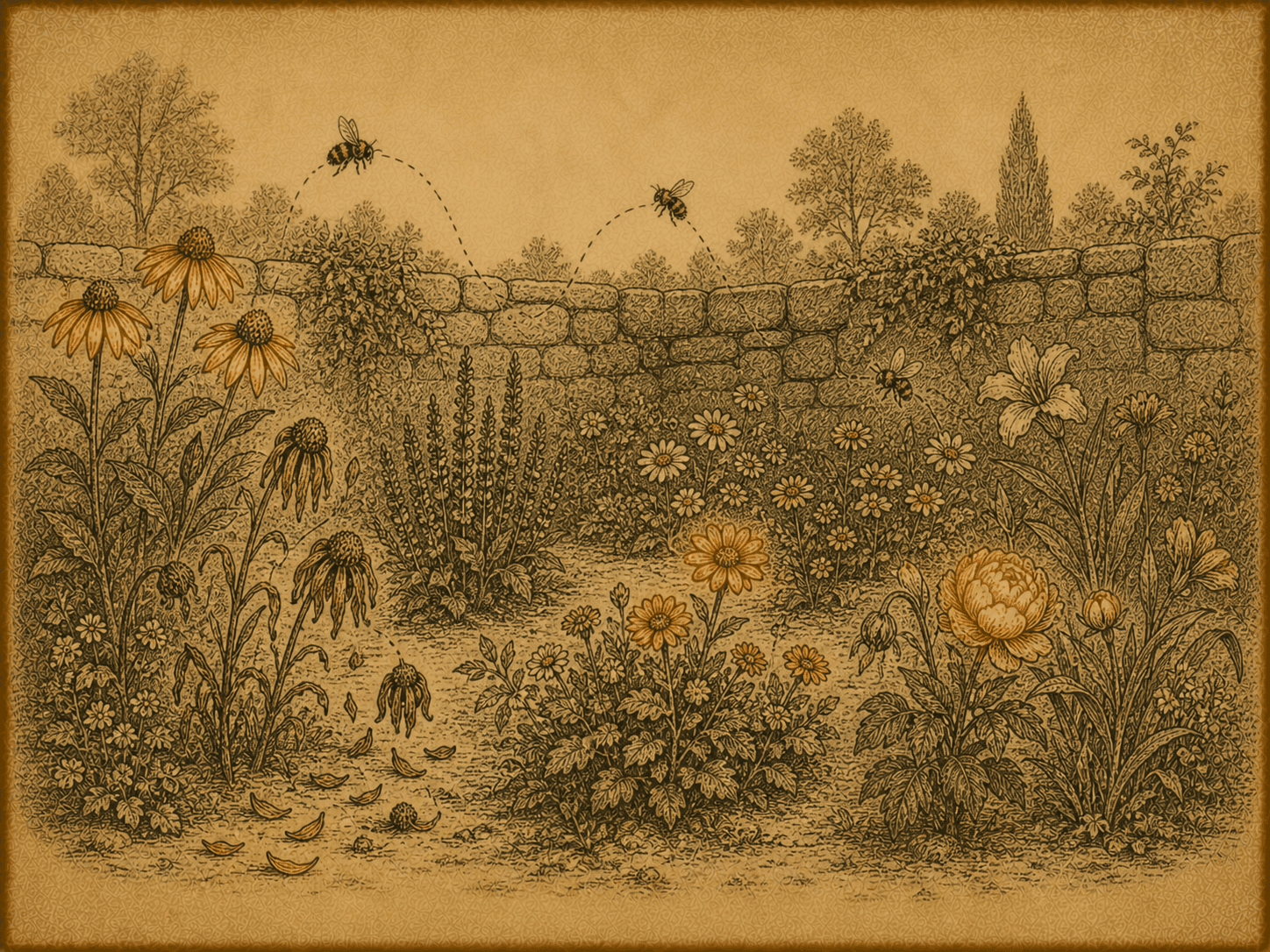
تأمل في الطبيعة
جلستُ ذات صباح في حديقة صغيرة.
أمامي أحواض زهور متناثرة. بعضها يتفتح بألوان زاهية، أحمر وأصفر وبنفسجي. وبعضها يذبل، بتلاته تتساقط على التراب، تاركة مكانها لبراعم جديدة تستعد للظهور.
نحلة حطّت على زهرة قريبة مني.
راقبتها وهي تغوص في قلب الزهرة، تجمع الرحيق، ثم تنتقل إلى زهرة أخرى. لا تعرف أنها تنقل حبوب اللقاح. لا تعرف أنها تساهم في ولادة زهور جديدة. هي فقط تبحث عن طعامها، وفي طريقها تخدم الحديقة كلها.
نحلة أخرى جاءت، ثم ثالثة.
الحديقة تعجّ بالحركة الصامتة. كل نحلة في مسارها الخاص، لكنهن جميعاً جزء من نظام واحد. الزهرة تعطي الرحيق، النحلة تأخذه وتنقل اللقاح، زهرة جديدة تولد، تعطي رحيقاً جديداً. دورة لا تنتهي.
نظرتُ إلى الزهرة الذابلة.
قبل أيام كانت مزهرة، جميلة، تجذب النحل. الآن تموت. لكن موتها ليس نهاية. البذور التي تركتها ستنبت. والتراب الذي ستصير إليه سيغذي زهوراً قادمة.
لا شيء يضيع هنا. لا شيء بلا معنى.
حتى الذبول له دور. حتى النهاية بداية لشيء آخر.
قمتُ ومشيت ببطء بين الأحواض. النحل استمر في عمله، لم يلاحظ مروري. لكنني لاحظته. ولاحظت أنني، مثله، أسير في مسار لا أرى نهايته، لكنني أثق أن لكل خطوة معناها.
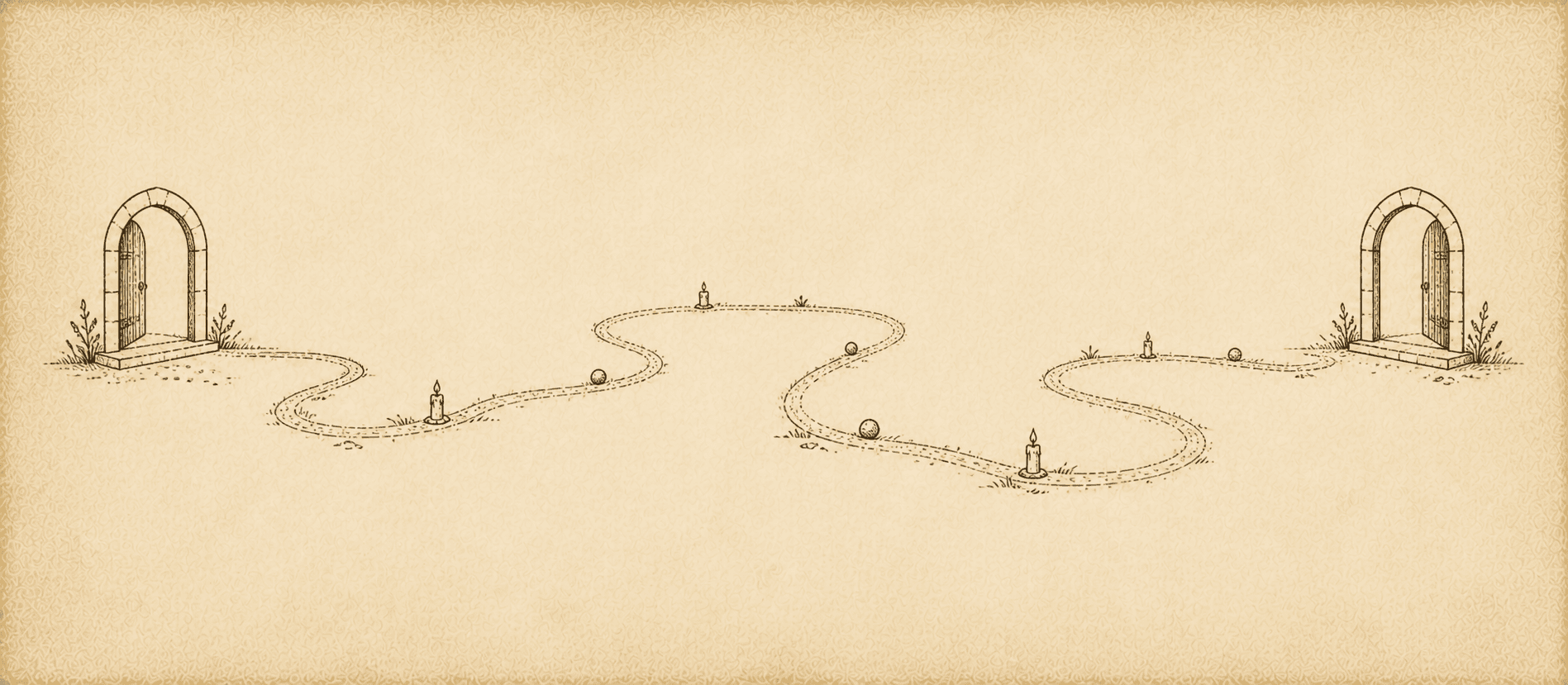
الولادة والموت: عتبتان في مسيرة واحدة
الولادة: دخول بلا اختيار ظاهري
يأتي الإنسان إلى هذا العالم دون أن يُسأل.
لم يختر والديه. لم يختر المكان الذي وُلد فيه ولا الزمان. لم يختر لون بشرته ولا ملامح وجهه ولا قدراته الجسدية والعقلية. جاء إلى الوجود ووجد نفسه في ظروف محددة، كأنها فُرضت عليه فرضاً.
ثم يبدأ يعيش.
يمر بتجارب، يتخذ قرارات، يبني علاقات، يسعى نحو أهداف. حياته سلسلة من الاختيارات الصغيرة والكبيرة. لكن نقطة البداية - تلك اللحظة التي جاء فيها إلى الوجود - لم تكن اختياره.
الموت: انتقال لا نهاية
ثم يأتي الموت.
أيضاً دون أن يُسأل. قد يأتي مبكراً أو متأخراً، فجأة أو ببطء، لكنه يأتي حتماً. والإنسان، في الغالب، لا يختار لحظته.
لكن الموت، كما فهمته في رحلتي، ليس نهاية.
الجسد يتوقف، نعم. لكن ذلك الشيء الذي كان يسكن الجسد - الوعي، النفس، الجوهر الحقيقي - لا يختفي. ينتقل. يعبر إلى مرحلة أخرى، إلى عالم آخر، إلى طور جديد من الوجود.
الموت ليس جداراً نصطدم به. الموت باب نعبر منه.
التناقض الظاهري
هنا يظهر تناقض يبدو صعب الحل.
إذا كان الإنسان لم يختر ظروف ولادته، وإذا كانت هذه الظروف تؤثر بشكل كبير على حياته، فكيف يكون هذا عادلاً؟ كيف يُحاسب على مسار لم يختر نقطة انطلاقه؟
طفل يولد في بيئة عنيفة، محروماً من الحب والأمان. وطفل آخر يولد محاطاً بالرعاية والإمكانات. كيف يمكن مقارنة مساريهما؟ كيف يمكن الحديث عن عدالة في ظل هذا التفاوت الصارخ؟
هذا السؤال أرّقني طويلاً.
الحل: الامتداد الوجودي
الحل جاء حين تذكّرتُ ما فهمته في مسار العوالم: أن الولادة ليست بدايةً من فراغ.
فقد رأيتُ أن الإنسان لم يبدأ وجوده في هذا العالم، وأن ظروف ولادته هنا نتيجةُ الحالة التي خرج بها من قبل، لا فرضاً اعتباطياً من خارج. وهذا وحده يغيّر معنى التفاوت: الإنسان شارك في تحديد نقطة انطلاقه، وإن لم يكن ذلك بوعيه في هذه الحياة.
طبيعة الدخول للحياة
الدخول إلى هذه الحياة في ظروف محددة ليس أمراً اعتباطياً.
ما تراكم من تجارب وخيارات في العوالم السابقة يُترجم إلى حالة معينة. هذه الحالة تحتاج بيئة معينة لتستكمل مسارها. بيئة تناسب ما يحتاجه هذا الإنسان بالذات للنمو والتعلم.
من يحمل نقصاً في صفة معينة قد يُوضع في بيئة تتحداه في هذه الصفة بالذات. من يحتاج أن يتعلم الصبر قد يجد نفسه في ظروف تختبر صبره. من يحتاج أن يتعلم القوة قد يواجه ما يستدعي منه القوة.
الحكمة في التهيئة
هنا تظهر الحكمة الإلهية.
الله، بعلمه الكامل، يعرف حالة كل نفس وما تحتاجه لتكمل مسارها، فيهيّئ لها البيئة والزمان والتحديات المناسبة. وليست هذه الظروف ظلماً، ولا عقوبةً على ماضٍ، ولا مكافأةً؛ بل إطارٌ يناسب ما تحتاجه كل نفس لتقترب من اكتمالها، حتى لو لم نفهم الحكمة بالكامل.
والأهم أنها ليست حكماً نهائياً. هي نقطة انطلاق. وما يفعله الإنسان بها — كيف يتعامل معها، وما يختاره في مواجهتها — هو ما يحدد مساره الحقيقي.
النتيجة: محطتان في مسار واحد
بهذا الفهم، الولادة والموت ليسا حدّين منفصلين.
هما محطتان متتاليتان في مسار واحد متصل.
الولادة هي الدخول إلى هذه المرحلة من الرحلة. والموت هو الخروج منها والدخول إلى المرحلة التالية. بينهما تمتد الحياة بكل تجاربها واختياراتها.
الإنسان يأتي من مكان، ويذهب إلى مكان. لا يظهر من عدم، ولا يختفي إلى عدم. يتحرك في مسار له بداية بعيدة ونهاية بعيدة، وما نسميه "الحياة" ليس إلا فصلاً واحداً في قصة أطول.
هذا الفهم غيّر نظرتي لكل شيء.
الظروف التي وُلدتُ فيها لم تعد تبدو ظلماً أو صدفة. أصبحت جزءاً من مسار أكبر. والموت الذي سيأتي يوماً لم يعد يبدو نهاية مرعبة. أصبح عبوراً إلى ما بعد.
بين هاتين المحطتين، أعيش. أختار. أنمو.
وما أصنعه هنا سيحدد شكل المحطة القادمة.
الحرية والقدر: توازن دقيق بين التخيير والتسيير
حرية حقيقية ضمن حدود
الإنسان حر.
هذه حقيقة أساسية في كل ما فهمته. يملك قدرة حقيقية على الاختيار. يستطيع أن يقرر، أن يفعل، أن يمتنع. ليس دمية تحركها خيوط خفية، ولا آلة مبرمجة على مسار واحد.
لكن هذه الحرية ليست مطلقة.
هناك حدود. حدود الجسد وقدراته. حدود المكان والزمان. حدود المعرفة والفهم. حدود الظروف التي وُلد فيها والإمكانات المتاحة له.
الإنسان حر ضمن هذه الحدود. يستطيع أن يختار من بين الخيارات المتاحة له، لكنه لا يستطيع أن يخترع خيارات من عدم. يستطيع أن يتحرك في المساحة الممنوحة له، لكنه لا يستطيع أن يوسعها بمجرد الإرادة.
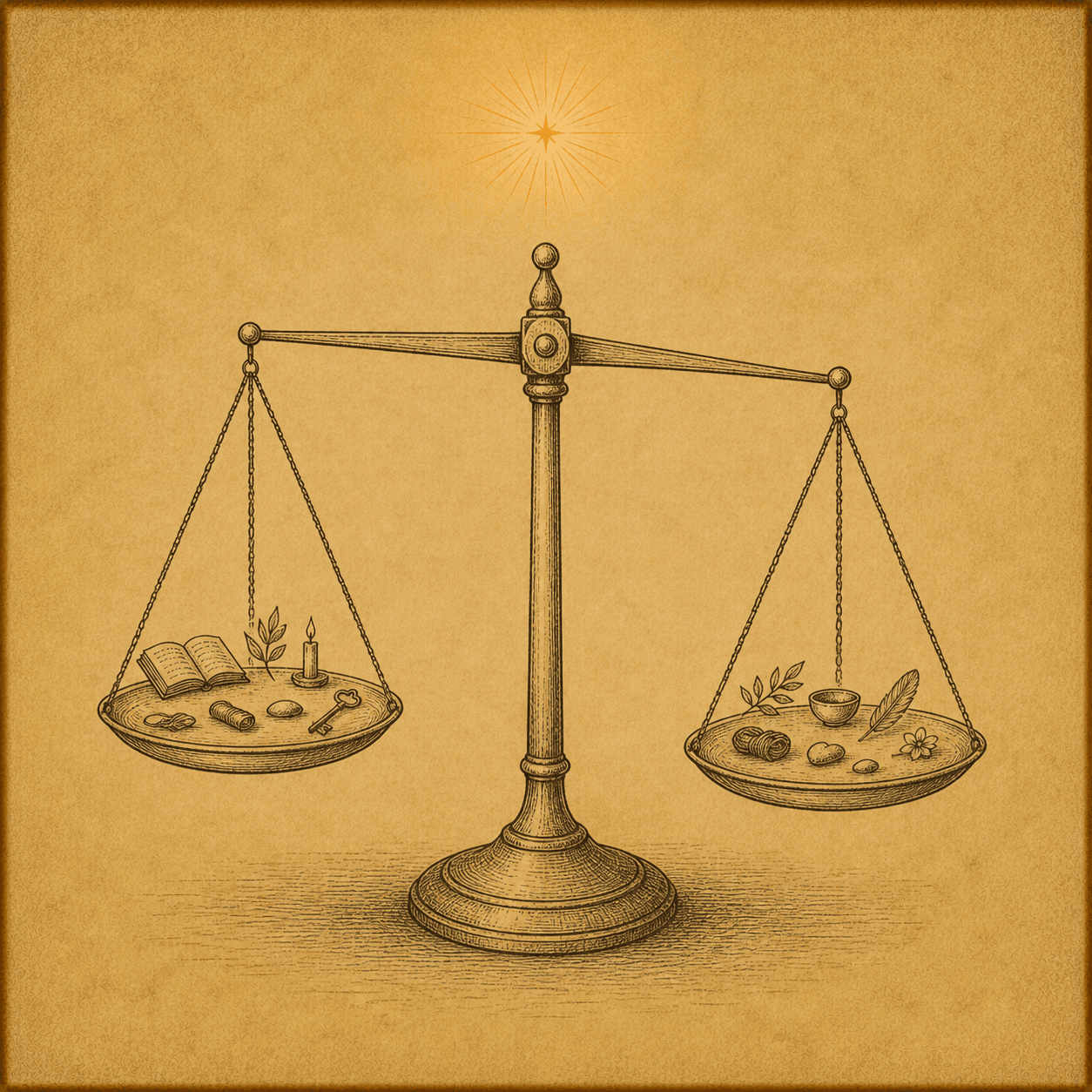
هذا ليس نقصاً في الحرية. هذه طبيعة الحرية المخلوقة. الحرية المطلقة لله وحده.
ما هو خارج الإرادة
هناك أشياء لا يختارها الإنسان.
لم يختر أن يُولد. لم يختر والديه ولا مكان ولادته ولا زمانها. لم يختر هيئته الجسدية ولا قدراته الفطرية. جاء إلى الوجود ووجد كل هذا قد تحدد سلفاً.
ولن يختار لحظة موته في الغالب. قد يأتي الموت فجأة، دون سابق إنذار، دون أن يُسأل.
هذه الأمور خارج إرادته. لكن هل هذا يتناقض مع حريته؟
لا. لأن هذه الأمور ليست عشوائية. كما بيّنت سابقاً، ظروف الولادة لها علاقة بمسار سابق. ولحظة الموت لها حكمة في النظام الكلي. وحتى لو لم نفهم هذه الحكمة بالكامل، فإن وجودها يجعل هذه الأمور جزءاً من نظام عادل، لا اعتداءً على الحرية.
والأهم: لو تُرك أمر الموت لاختيار الإنسان، لما اختاره أحد. ولتوقفت عجلة الوجود. بعض الأمور يجب أن تبقى خارج الاختيار لكي يستمر النظام.
حرية القرار وضبط النتائج
الإنسان حر في قراراته. لكنه ليس حراً في نتائج هذه القرارات.
ما أعنيه هو التالي: تستطيع أن تختار أن تزرع قمحاً أو شعيراً. لكنك لا تستطيع أن تختار أن ينبت من القمح تفاح. الفعل بيدك، لكن نتيجة الفعل محكومة بقوانين لم تضعها أنت.
تستطيع أن تختار بين الصدق والكذب. لكنك لا تستطيع أن تختار ألا يؤثر الكذب على طبيعة نفسك وعلاقاتك. الكذب له آثار، شئت أم أبيت.
هذا هو التوازن: الحرية في الفعل، والقانون في النتيجة.
الله أعطاك حرية الاختيار، لكنه وضع قوانين تحكم ما يترتب على هذا الاختيار. لست مجبراً على شيء، لكنك لست فوق القانون.
تحديد النتائج بالقوانين
النتائج تتحدد بمدى توافق الطريق مع قوانين الوجود.
المسار الخاطئ، مهما بذلت فيه من جهد، لن يوصلك إلى النتيجة الصحيحة. لو سرت شرقاً وأنت تريد الغرب، فكل خطوة تبعدك أكثر. ليس لأن أحداً يعاقبك، بل لأن هذه طبيعة الاتجاهات.
كذلك في الحياة. هناك قوانين تحكم النمو والارتقاء. من يسير وفقها يتقدم. من يسير ضدها يتأخر. ليس تعسفاً، بل منطقاً.
الله لم يخفِ هذه القوانين. وضع في الإنسان القدرة على اكتشافها. الضمير، العقل، التجربة - كلها أدوات لفهم ما يجب وما لا يجب.
من يتجاهل هذه الأدوات يتحمّل نتيجةً اختارها بنفسه حين سار عكس القانون.
التوازن الدقيق
هذا هو التوازن الذي تحدثت عنه.
من جهة: حرية كاملة في الاختيار. لا أحد يُجبرك على شيء. تستطيع أن تختار الخير أو الشر، الصعود أو الهبوط، النور أو الظلام.
من جهة أخرى: قوانين ثابتة تحكم النتائج. اختيارك حر، لكن ما يترتب عليه ليس عشوائياً.
هذا التوازن هو ما يجعل المسؤولية ممكنة. لو كان الإنسان مجبراً، لما كان مسؤولاً. ولو كانت النتائج عشوائية، لما كان للاختيار معنى.
لكن لأنه حر ولأن النتائج منطقية، يصبح كل اختيار ذا قيمة. كل قرار له وزن. كل فعل له أثر.
المسؤولية بلا إكراه
في النهاية، الإنسان يتحمل مسؤولية الاتجاه الذي يسلكه.
لا أحد أجبره. لا أحد دفعه. اختار بنفسه. وعليه أن يقبل نتائج اختياره.
لكن هذا لا يعني أنه متروك وحده. الحكمة الإلهية تعمل في الخلفية. تنظم النتائج، ترسل الإشارات، تفتح الأبواب وتغلق أخرى.
القدر ليس قوة قاهرة تسحق الإنسان. القدر هو النظام الذي يعمل من خلاله.
والحرية ليست فوضى بلا ضوابط. الحرية هي القدرة على التحرك داخل هذا النظام.
الإنسان يختار، والقدر يُظهر ثمار الاختيار. الإنسان يقرر الاتجاه، والحكمة تنظم ما يترتب على هذا الاتجاه.
لا إكراه ولا فوضى. لا جبر ولا عبث.
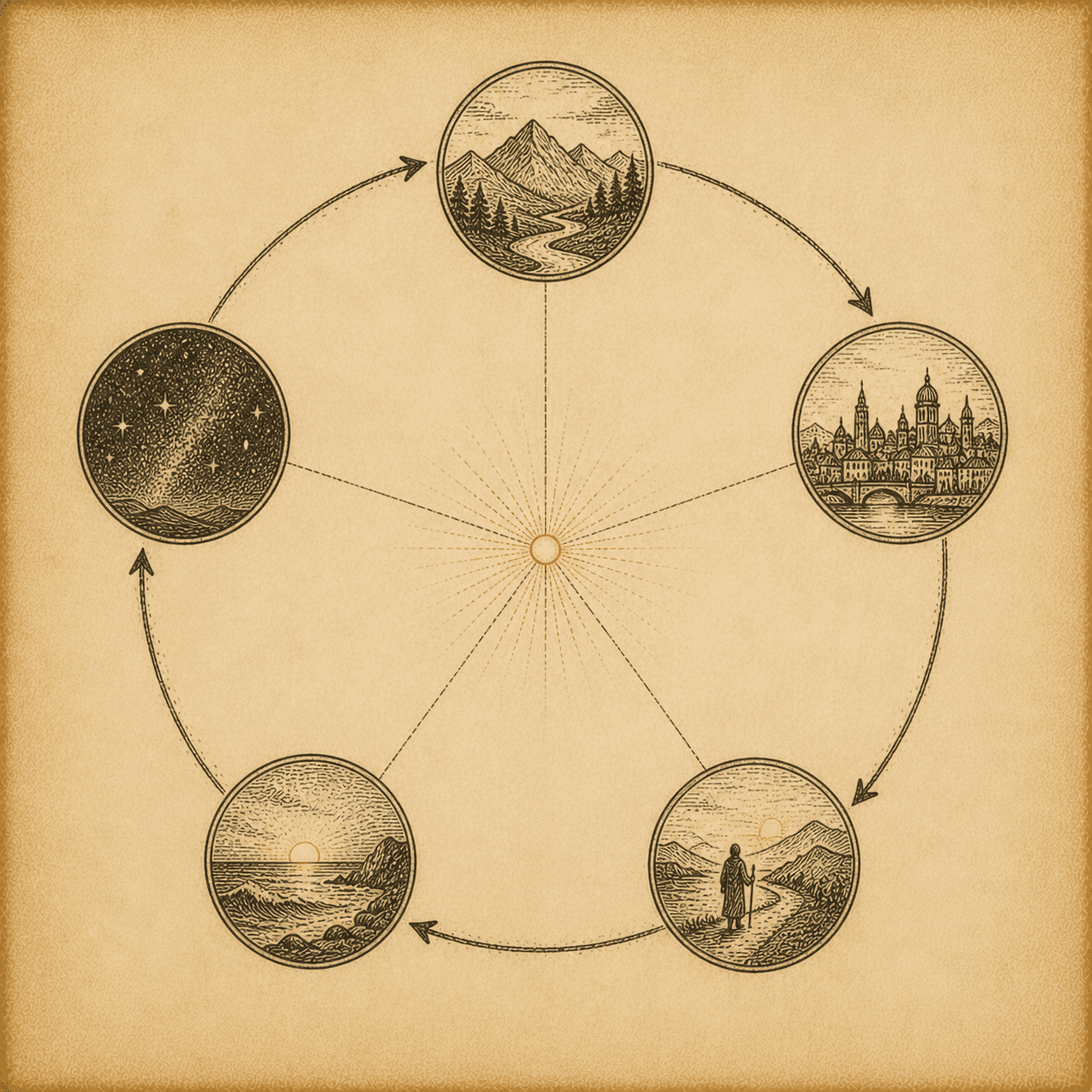
توازن دقيق يحترم حرية الإنسان ويحفظ نظام الوجود في آن واحد.
هذا الفهم حررني من سؤال طالما أرّقني: هل أنا مخيّر أم مسيّر؟
الجواب: كلاهما، بطريقة لا تتناقض.
مخيّر في اختياراتي. مسيّر في النتائج التي تترتب عليها.
حر في أن أفعل. محكوم بقوانين ما يترتب على الفعل.
وهذا، كما فهمت، هو أعدل ما يمكن أن يكون.
الحساب الفردي: حصيلة الصفات ومسار التكامل
كلمة "الحساب" تحمل في أذهاننا صورة معينة.
محكمة. قاضٍ يجلس على منصة عالية. متهم يقف أمامه. أدلة تُعرض. حكم يصدر. ثواب أو عقاب.
لكن هذه الصورة، كما فهمت، ليست دقيقة تماماً.
الحساب لا يأتي من خارج الإنسان. الحساب يتكوّن من داخله.
ما أعنيه هو التالي: الإنسان خلال حياته يتخذ قرارات، يقوم بأفعال، يتبنى مواقف. هذه القرارات والأفعال والمواقف لا تمر دون أثر. إنها تُشكّله. تبني فيه صفات معينة، تُرسّخ فيه ميولاً معينة، تجعله نوعاً معيناً من الكائنات.
من يمارس الكرم يصبح كريماً. من يمارس البخل يصبح بخيلاً. من يمارس الصدق يصبح صادقاً. من يمارس الكذب يصبح كاذباً. ليس فقط في أفعاله، بل في جوهره. الأفعال المتكررة تتحول إلى صفات راسخة.
حين يصل الإنسان إلى نهاية مرحلته في هذا العالم، لا يُحاسب بمعنى أن أحداً يقرأ قائمة أفعاله ويصدر حكماً. بل يكون قد "حاسب" نفسه بالفعل من خلال ما أصبح عليه.
الحساب هو الحصيلة. مجموع ما تراكم. الصورة النهائية التي وصل إليها.
حين ينتقل الإنسان من هذا العالم إلى ما بعده، ينتقل بما هو عليه.
ليس بما يدّعيه، ولا بما يتمناه، ولا بما كان ينوي أن يكون. بل بما أصبح فعلاً. الصفات التي ترسخت فيه، الميول التي سيطرت عليه، الحالة النفسية التي استقر عليها.
هذه الحالة هي التي تحدد شكل المرحلة التالية.
من خرج من هذا العالم وهو يحمل صفات إيجابية راسخة - صدقاً حقيقياً، رحمة حقيقية، حكمة حقيقية - يجد نفسه في واقع يناسب هذه الصفات. واقع أقرب إلى النور، أقرب إلى الراحة، أقرب إلى الاكتمال.
ومن خرج وهو يحمل نقصاً عميقاً - أنانية متجذرة، قسوة راسخة، ظلاماً داخلياً - يجد نفسه في واقع يناسب هذه الحالة. واقع أبعد، أصعب، يحتاج منه جهداً أكبر للتقدم.
ليس لأن أحداً "عاقبه". بل لأن هذا هو ما يناسب حالته. كما أن المريض يحتاج علاجاً يختلف عن الصحيح، والجاهل يحتاج تعليماً يختلف عن العالم.
دعني أوضح بمثال.
تخيل إنساناً عاش حياته منغلقاً على ذاته. لم يهتم بالآخرين، لم يتعاطف مع أحد، لم يُعطِ شيئاً. كل شيء كان يدور حول نفسه. رغباته، مصالحه، راحته.
هذا الإنسان، مع الوقت، يصبح منغلقاً فعلاً. الانغلاق يترسخ فيه كصفة. يصبح عاجزاً عن الانفتاح حتى لو أراد.
حين ينتقل إلى المرحلة التالية، يحمل معه هذا الانغلاق. والواقع الذي سيجد نفسه فيه سيعكس حالته. ربما عزلة، ربما ضيق، ربما بُعد عن النور الذي لا يصل إلا لمن انفتح عليه.
هذا ليس عقوبة خارجية. هذه نتيجة طبيعية. كمن يقضي سنوات في غرفة مظلمة ثم يخرج إلى الشمس فيؤلمه النور. النور لم يعاقبه. عيناه لم تعد قادرة على تحمله.
في المقابل، تخيل إنساناً عاش حياته ساعياً للنمو.
ليس كاملاً - لا أحد كامل - لكنه حاول. حين أخطأ، اعترف وحاول التصحيح. حين رأى نقصاً في نفسه، عمل على معالجته. تعلّم من تجاربه، نما من آلامه، اقترب ببطء من نسخة أفضل من نفسه.
هذا الإنسان، حين ينتقل، يحمل معه هذا النمو. والواقع الذي سيجد نفسه فيه سيعكس ذلك. ربما نوراً أكثر، ربما سعةً أكبر، ربما قرباً أعمق من الغاية.
مرة أخرى، ليس لأن أحداً "كافأه". بل لأن هذا ما يناسب حالته. كمن تدرّب سنوات على التسلّق فوجد نفسه قادراً على بلوغ القمم.
الحساب إذاً ليس إجراءً للعقوبة.
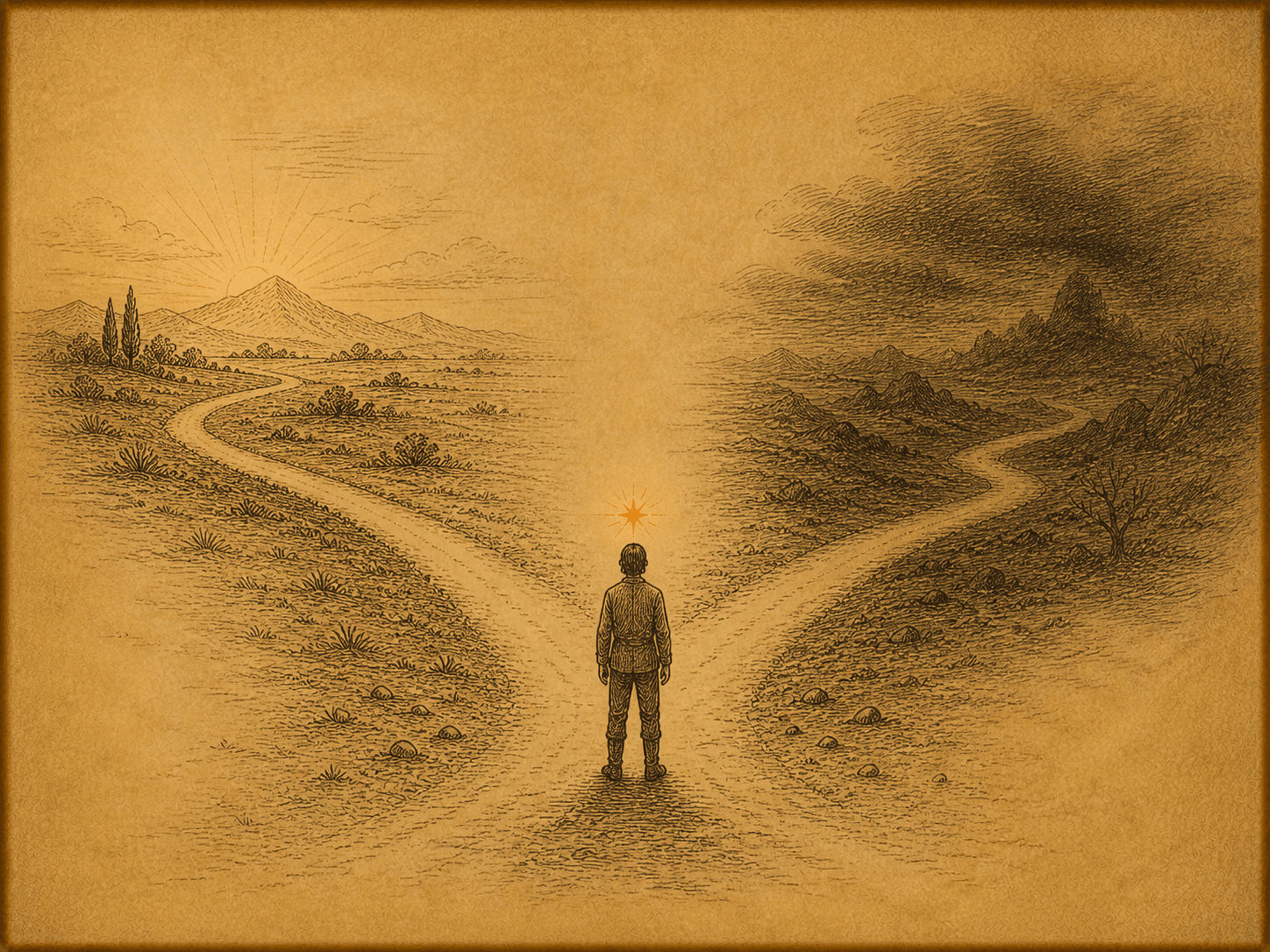
الحساب مرحلة فاصلة في المسار. لحظة تتضح فيها الحصيلة. ما الذي أصبحتَ عليه؟ ما الذي تحمله معك؟ ما الذي ترسّخ فيك وما الذي ذبل؟
هذه اللحظة ليست تعسفية. إنها منطقية تماماً. كما أن نتيجة الامتحان تعكس ما درسته، ونتيجة التدريب تعكس ما بذلته.
والأهم: هذه اللحظة ليست نهاية.
من وجد نفسه في واقع صعب لم يُحكم عليه للأبد. لا يزال أمامه مسار. لا يزال يستطيع أن ينمو، أن يتغير، أن يقترب. الطريق أطول، والجهد أكبر، لكن الباب لم يُغلق.
هذا ما فهمته عن رحمة الله. ليست رحمة تُلغي النتائج، بل رحمة تُبقي الباب مفتوحاً. دائماً هناك فرصة. دائماً هناك أمل. مهما كانت نقطة البداية، يمكن التقدم.
الحساب إذاً ينسجم مع كل ما فهمته عن نظام المسار.
ليس حكماً يُفرض من الخارج، بل محصلة تنبع من الداخل. ليس انفصالاً عن المسار، بل جزءاً منه. ليس نهاية، بل محطة.
كل ما يفعله الإنسان يعود إليه. ليس لأن أحداً يتربص به، بل لأن هذه طبيعة الأشياء. الفعل يُنتج أثراً، والأثر يتراكم، والتراكم يُشكّل الحصيلة.
والحصيلة هي ما نحمله معنا في لحظة العبور.
الحساب الكوني: تجديد العوالم وحفظ المسيرة
تحدثتُ عن الحساب الفردي، عن كيف ينتقل الإنسان بما أصبح عليه.
لكن الانتقال لا يقتصر على الإنسان وحده.
حين تنتهي مرحلة من مراحل الوجود، لا ينتقل البشر فقط. تنتقل جميع الكائنات. الحيوانات، النباتات، كل ما له وجود في هذا العالم. بل إن العالم نفسه يدخل طوراً جديداً.
هذه فكرة كبيرة، أعرف.
لكن فكّر فيها: إذا كان العالم مرحلة في مسار أكبر، وإذا كانت المخلوقات تنتقل من مرحلة إلى أخرى، فلا بد أن يكون للعالم نفسه دورة. بداية ونهاية. ولادة وانتقال.
العالم الذي نعيش فيه لم يكن موجوداً دائماً. بدأ في لحظة ما. وسينتهي في لحظة ما. ليس فناءً مطلقاً، بل تحولاً إلى شيء آخر.
كل عالم يولد مغايراً لما سبقه.
هذا ما فهمته من تأملي في سلسلة العوالم. كل عالم له قوانينه الخاصة، طبيعته الخاصة، إمكاناته الخاصة. العالم الذي سيأتي بعد هذا لن يكون نسخة منه. سيكون شيئاً مختلفاً.
لماذا؟
لأن كل عالم يُصمَّم ليخدم غاية محددة في المسار الكلي. العالم الذي نحن فيه الآن يقدم نوعاً معيناً من التجربة، نوعاً معيناً من التحديات، نوعاً معيناً من فرص النمو. العالم القادم سيقدم شيئاً آخر، شيئاً يناسب المرحلة التالية.
العوالم لا تتكرر لأن المسار يتقدم. لا يدور في حلقة مغلقة، بل يمضي نحو غاية.
عند لحظة العبور الكبرى - حين ينتهي عالم ويبدأ آخر - يحدث نوع من التمييز الشامل.
ما أعنيه هو أن كل ما نتج عن العالم المنتهي يُعاد تنظيمه. الكائنات التي عاشت فيه، التجارب التي مرت، النتائج التي تراكمت - كل هذا لا يضيع. بل يُعاد صياغته في النظام الجديد.
من تقدّم في مساره يجد نفسه في موقع يناسب تقدمه. من تأخر يجد نفسه في موقع يناسب تأخره. ليس عقاباً أو مكافأة بالمعنى البسيط، بل إعادة توزيع تناسب حالة كل كائن.
العالم الجديد يستقبل ما أنتجه العالم السابق، لكنه يستقبله بطريقته الخاصة. بقوانينه، بإمكاناته، بما يناسب المرحلة الجديدة من المسار.
هذا التجديد المستمر يحفظ مسيرة الغاية.
لو بقي العالم كما هو إلى الأبد، لتوقف المسار. لتجمدت الأشياء في حالتها. لكن التجديد يدفع الحركة إلى الأمام. كل عالم جديد يفتح إمكانات جديدة، يقدم تحديات جديدة، يتيح نمواً جديداً.
والحركة الكلية لا تتوقف.
حتى المسارات التي تعثرت لا تعيق الحركة العامة. النظام مصمم بحيث يستوعب كل شيء. من تقدم يكمل تقدمه. من تأخر يجد فرصاً للّحاق. لا شيء يضيع، ولا شيء يُهمل.
فكّرتُ في هذا كثيراً.
نحن ننظر إلى العالم وكأنه كل شيء. وكأن ما نراه هو الوجود بأكمله. لكن هذا العالم، بكل ضخامته، ليس إلا فصلاً في كتاب أكبر. مرحلة في رحلة أطول.
والكتاب لا يتوقف عند فصل واحد.
الفصول تتوالى، كل فصل يبني على ما قبله ويمهد لما بعده. الشخصيات - نحن - تتطور عبر الفصول. بعضها يرتقي، بعضها يتراجع، لكن القصة تستمر.
هذا الفهم أعطاني منظوراً مختلفاً.
ما يحدث في هذا العالم مهم، نعم. لكنه ليس كل شيء. ليس النهاية. هناك ما بعد. وما نفعله هنا يؤثر على ما سيكون هناك.
الكوارث التي تحدث، الظلم الذي نراه، الألم الذي يملأ العالم - كل هذا لن يبقى بلا معنى. في المنظور الأكبر، كل شيء يدخل في الحساب. كل شيء يُعاد تنظيمه. كل شيء يجد مكانه في النظام الأشمل.
هذا لا يعني أن نتجاهل الألم أو نقبل الظلم. بل يعني أن نفهم أن هناك عدالة أكبر تعمل، حتى حين لا نراها. عدالة لا تقتصر على هذا العالم، بل تمتد عبر العوالم كلها.
الحساب الكوني إذاً هو اللحظة التي يُعاد فيها تنظيم كل شيء.
ليس تدميراً، بل تجديداً. ليس نهاية، بل انتقالاً. العالم القديم يُطوى، والعالم الجديد يُنشر. والمسيرة تستمر.
نحو الغاية التي من أجلها وُجد كل شيء.
عدالة الله: الاختيار والمسؤولية
وضوح العدالة
كثيراً ما يُطرح السؤال: أين عدالة الله؟
ننظر حولنا فنرى ظلماً، وألماً، وتفاوتاً صارخاً بين البشر. نرى أبرياء يعانون ومجرمين ينعمون. نرى أطفالاً يموتون جوعاً وآخرين يُلقون الطعام في القمامة. أين العدالة في كل هذا؟
السؤال مشروع. لكن الإجابة تتطلّب أن ننظر من زاوية أوسع.
طوال هذا القسم، رأيتُ كيف يختار الإنسان، وكيف يحمل حصيلة اختياره من محطة إلى محطة. هذان الأمران — الاختيار الحرّ، والحصيلة التي تترتّب عليه — هما مفتاح العدالة. فالعدالة لا تظهر في لحظة واحدة معزولة، بل في المسار بأكمله: من أين بدأ الإنسان، وماذا اختار، وإلى أين قاده اختياره.
حين ننظر بهذا الاتساع، تبدأ العدالة الإلهية بالوضوح.
المصير: صناعة ذاتية
من هنا نفهم أن مصير الإنسان ليس مفروضاً عليه.
نعم، هناك ظروف لم يخترها: مكان ولادته، جسده، قدراته الأولى. لكن الظروف ليست المصير. ما يفعله الإنسان بظروفه هو الذي يصنع مصيره. إنسانٌ في أصعب الظروف قد يرتقي، وإنسانٌ في أفضلها قد ينحدر. الظروف تؤثّر، لكنها لا تحدّد. الاختيار هو الذي يحدّد.
تميّز الإنسان
وهنا يظهر ما يميّز الإنسان عن سائر المخلوقات.
الإنسان هو الكائن الوحيد الذي أُعطي القدرة على إدراك الفرق بين الخير والشر. يستطيع أن يميّز، أن يحكم، أن يختار. وهذه القدرة هي بالضبط ما يجعله مسؤولاً.
الحيوان يتصرّف بغريزته. لا يختار أن يفترس أو لا يفترس؛ طبيعته تدفعه. أما الإنسان فيستطيع أن يتجاوز غريزته. يستطيع أن يشعر بالغضب فلا يؤذي، وأن يشعر بالخوف فلا يهرب، وأن يشعر بالرغبة فلا ينساق. هذا ما لا يستطيعه سواه.
ومن يملك القدرة على أن يختار، يتحمّل نتيجة ما يختاره. هذا هو أصل المسؤولية.
العبء كفرصة
قد يبدو هذا عبئاً ثقيلاً.
أن تكون مسؤولاً عن مصيرك، أن تتحمّل نتائج اختياراتك، ألّا يكون لديك عذر تلقيه على القدر أو الظروف — هذا ثقيل.
لكن انظر إليه من زاوية أخرى: هذا العبء هو في الحقيقة فرصة.
لأنك مسؤول، تستطيع أن تغيّر. لأنك تختار، تستطيع أن تختار أفضل. لأن مصيرك بيدك، تستطيع أن تصنعه كما تريد.
لو كان المصير مفروضاً، لما كان هناك أمل في التغيير. لكن لأنه مصنوع، يبقى الباب مفتوحاً. مهما أخطأتَ في الماضي، تستطيع أن تصحّح في الحاضر. ومهما انحدرتَ، تستطيع أن ترتقي.
المسؤولية ليست لعنة. المسؤولية هي ما يجعل الارتقاء ممكناً.
الكائنات الأخرى
أما الكائنات الأخرى، فوضعها مختلف.
لأنها لا تملك هذا الإدراك، لم تُكلَّف بصنع مصيرها. الحيوانات والنباتات وسائر المخلوقات تسير وفق طبيعتها، ولا تُحاسب على اختياراتها، لأنها لا تختار بالمعنى الذي نفهمه.
مسارها مختلف، ودورها في الوجود مختلف. هذا لا يعني أنها أقلّ قيمة؛ لكل مخلوق قيمته ودوره. لكنه يعني أن المسؤولية خاصّة بالإنسان، لأنه وحده من يملك أدواتها.
ظهور العدالة: تمكين لا قهر
بهذا الفهم، تظهر عدالة الله بصورة مختلفة تماماً.
ليست عدالة القهر والإجبار. ليست عدالة السيد الذي يعاقب عبيده. بل عدالة التمكين.
الله لم يخلق الإنسان ثم يتركه عاجزاً أمام قدر محتوم. خلقه ووضع بين يديه القدرة على تشكيل مصيره: أعطاه العقل ليميّز، والإرادة ليختار، والوقت ليتعلّم ويصحّح.
ثم وضع نظاماً تترتّب فيه النتائج على الاختيارات. من يختار الخير يجد الخير، ومن يختار الشر يجد الشر — كما أن من يزرع الشوك لا يحصد العنب.
هذه عدالة حقيقية. لا تسلب الإنسان حريته بحجّة حمايته، ولا تتركه بلا توجيه بحجّة احترام حريته. توازن دقيق بين الحرية والمسؤولية، بين القدرة والنتيجة.
في النهاية، عدالة الله ليست شيئاً ننتظره في مستقبل بعيد.
إنها تعمل الآن. في كل لحظة. في كل اختيار نتّخذه، وفي كل نتيجة نواجهها.
المسألة ليست: هل الله عادل؟
المسألة: هل نفهم عدالته؟ وهل نتعامل معها بما يليق؟
المآل: حين تكتمل الرحلة وتعود إلى أصلها
طبيعة المآل
المآل هو المرحلة الأخيرة.
ليس نهاية بمعنى التوقف والانقطاع، بل نهاية بمعنى الوصول والاكتمال. النقطة التي تتضح فيها الغاية التي كانت ترافق المسار منذ بدايته.
طوال الرحلة، كان الإنسان يسير. يمر بعوالم، يواجه تحديات، يتخذ قرارات، ينمو ويتراجع، يقترب ويبتعد. كل هذا كان يحدث وهو لا يرى الصورة كاملة. يرى جزءاً هنا وجزءاً هناك، لكن المعنى الكلي يبقى غامضاً.
في المآل، ينكشف هذا المعنى.
ليس لأن أحداً يشرحه له، بل لأنه يصل إلى موقع يرى منه كل شيء. كمن يصعد جبلاً شاهقاً، يكافح في الطريق، لا يرى إلا الصخور أمامه، ثم يصل إلى القمة فيرى كل ما مر به: المنعطفات، الوديان، الطرق التي بدت ضائعة لكنها كانت تقوده إلى هنا.
الفهم الكامل
في تلك اللحظة، يفهم الإنسان.
يفهم أن كل ما مر به لم يكن بلا معنى. الآلام التي عاناها، الأقدار التي واجهها، الاختبارات التي ظن أنها ستكسره - كل هذا كان ضرورياً.
ليس لأن الألم مطلوب لذاته، بل لأنه كان جزءاً من النمو. كان الأداة التي صقلته، والنار التي طهّرته، والضغط الذي حوّله.
يفهم أن الله لم يكن غائباً في لحظات الضعف. كان حاضراً بطريقة لم يدركها. كان يوجّه حين بدا أنه لا توجيه، ويحمي حين بدا أنه لا حماية.
هذا الفهم لا يأتي بالكلمات. يأتي كإدراك مباشر. رؤية واضحة لا تحتاج إلى برهان.
الإدراك الشامل
ما بدا خسارة يظهر على حقيقته: كان تمهيداً.
تلك العلاقة التي انتهت، ذلك الحلم الذي تحطم، تلك الفرصة التي ضاعت - كلها كانت تفتح الطريق لشيء آخر. شيء لم يكن ممكناً لو لم تحدث تلك "الخسائر".
وما ظُنّ عائقاً يظهر على حقيقته: كان وسيلة.
المرض الذي أبطأ الخطى أعطى وقتاً للتأمل. الفشل الذي أحبط أجبر على تغيير الاتجاه. الرفض الذي آلم حمى من طريق كان سيؤدي إلى ما هو أسوأ.
في المآل، تنكشف هذه الحقائق كلها. ليس كتبرير بعد الحدث، بل كرؤية حقيقية لما كان يحدث فعلاً طوال الوقت.
المآل: اكتمال لا انقطاع
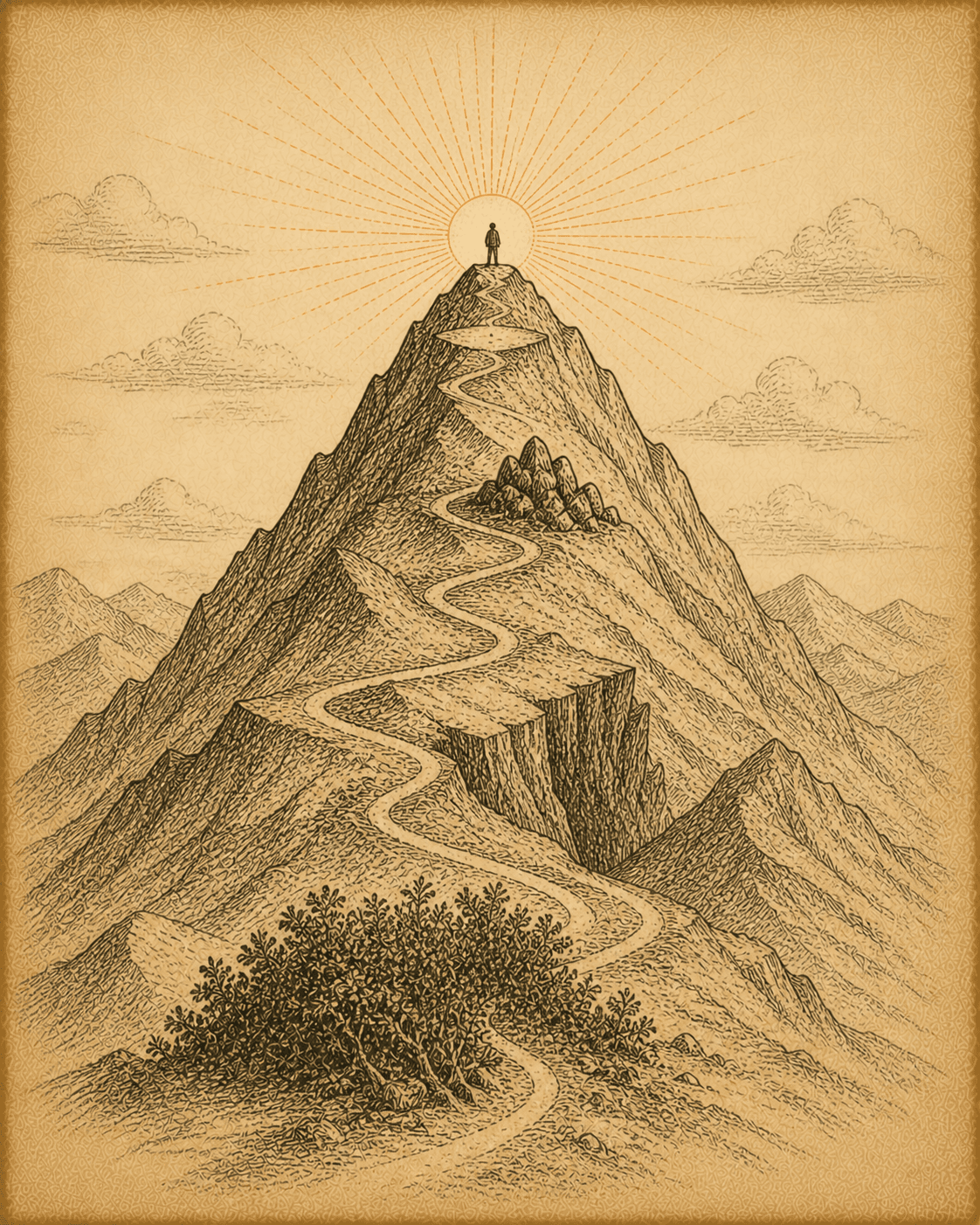
المآل ليس توقفاً.
ليس لحظة يتوقف فيها كل شيء ويسود الصمت الأبدي. بل حالة يكتمل فيها المسار. تستقر فيها الأسئلة ضمن معانيها. يجد فيها الباحث ما كان يبحث عنه.
حالة من الانسجام.
الوجود يصبح منسجماً مع الله. ليس بمعنى الذوبان والفناء، بل بمعنى التوافق والقرب. كالنغمة التي تجد مكانها في السيمفونية، لا تختفي بل تكتمل.
الأسئلة التي أرّقت الروح طوال الرحلة تجد إجاباتها. ليس بالضرورة إجابات لفظية، بل سكينة تجعل السؤال نفسه يهدأ. لم يعد هناك حاجة للسؤال لأن الجواب صار معاشاً.
ظهور العدالة بأوضح صورها
في المآل، تظهر عدالة الله بأوضح ما يمكن.
كل نفس تجد موقعها. الموقع الذي يوافق حقيقتها. ما أصبحت عليه، ما حملته معها، ما بنته طوال الرحلة - كل هذا يتجلى في موقعها النهائي.
من سعى يجد. من أعطى يُعطى. من اقترب يقترب أكثر.
والحرية تنكشف على حقيقتها: كانت حقيقية. كل اختيار كان اختياراً فعلياً. كل قرار كان له وزنه. لم يكن هناك إجبار خفي ولا مسرحية مكتوبة سلفاً.
الإنسان يرى بوضوح أنه هو من صنع طريقه. نعم، كانت هناك حكمة ترافقه، وإشارات توجهه، وأبواب تُفتح وأخرى تُغلق. لكن الاختيار كان اختياره. والنتيجة نتيجته.
هذا ليس مصدر ندم بل مصدر طمأنينة. لأنه يعني أن كل شيء كان عادلاً. لا أحد ظُلم. لا أحد حُرم مما يستحق, من يتحسّر هو من لم يعلم, ومن علم ولم يعمل.
عودة واعية للأصل
المآل، في جوهره، عودة.
عودة إلى الأصل الذي بدأ منه كل شيء. إلى الله الذي منه انبثق الوجود وإليه يعود.
لكنها ليست عودة الضائع الذي لا يدري أين هو. إنها عودة الواعي الذي يعرف من أين جاء وإلى أين يصل.
الطريق لم يكن عشوائياً. كان مساراً مقصوداً. كل خطوة فيه، حتى تلك التي بدت ضائعة، كانت تقود إلى هنا. إلى هذا القرب. إلى هذا الاكتمال.
والفرق بين من عاد بوعي ومن عاد بغير وعي هو كل الفرق.
من عاد بوعي عرف الرحلة. عاشها، تألم فيها، نما من خلالها. القرب الذي يجده الآن ليس قرباً مجانياً، بل قرباً مكتسباً. قرباً له طعم خاص لأنه ثمرة مسيرة طويلة.
هكذا فهمت المآل.
ليس نهاية مخيفة ولا مجهولاً مظلماً. بل اكتمال. وصول. عودة.
كل ما بُذل في الطريق لم يضِع. كل ألم تحوّل إلى نمو. كل سؤال وجد جوابه. وكل باحث صادق وصل.
هذا هو الوعد الذي فهمته من كل ما تأملت فيه.
ليس وعداً بأن الطريق سهل، بل وعداً بأنه يستحق. وعداً بأن من يسير سيصل. وعداً بأن المعنى موجود، حتى حين لا نراه.
وفي النهاية، وعداً بأن الله - الذي منه بدأ كل شيء - ينتظر في نهاية الطريق. ليس للحساب والعقاب بالمعنى المخيف، بل للّقاء والاكتمال.
هذا هو المآل.
لحظة ضعف
كانت ليلة عادية.
لا شيء مميز فيها. لا حدث كبير ولا خبر صادم. مجرد ليلة وحيدة في شقة هادئة، والساعة تقترب من الثالثة فجراً.
لكن في تلك الليلة، انهار كل شيء.
جلست على حافة السرير، وفجأة، دون مقدمات، سألت نفسي: ماذا لو كان كل هذا وهماً؟
كل ما توصلت إليه. كل ما بنيته على مدى سنوات. العوالم المتعددة، الأصل الأول، المعلومات، الله، القضاء والقدر، المآل... ماذا لو كان مجرد قصة جميلة اخترعتها لأهرب من عبثية الوجود؟
الشك لم يأتِ كسؤال فلسفي هادئ. جاء كموجة باردة اجتاحتني. شعرت بفراغ في صدري، وثقل غريب في رأسي.
ماذا لو كنت أوهم نفسي طوال هذه السنوات؟
بدأت أراجع كل شيء.
العوالم المتعددة - ألم أكن أبحث عن نمط فرضته أنا على الواقع؟ ربما العالم فوضى عشوائية، وأنا من أراد أن يرى نظاماً غير موجود.
الله - ألم يكن مجرد حاجة نفسية؟ الإنسان يخاف من الموت والعدم، فيخترع إلهاً ليطمئن. ربما أنا لست مختلفاً عن أي إنسان خائف يبحث عن عزاء.
العدالة والمآل - ألم تكن تبريراً للألم الذي لا معنى له؟ نقول لأنفسنا "هناك حكمة" لأننا لا نحتمل أن يكون الألم عبثياً.
كل حجة بنيتها بدت في تلك الليلة هشة. كل استنتاج بدا قابلاً للنقض.
أذكر أنني وقفت عند النافذة.
المدينة نائمة. أضواء متفرقة هنا وهناك. سيارة تمر بين حين وآخر. العالم يبدو لا مبالياً تماماً بأسئلتي.
قلت لنفسي: ربما هذا هو الواقع. عالم لا يكترث. وجود بلا معنى. وأنا مجرد ذرة تافهة تحاول أن تقنع نفسها بأنها مهمة.
كان شعوراً مرعباً. أقرب ما يكون إلى السقوط في هاوية.
لا أدري كم بقيت واقفاً هناك.
لكنني أذكر اللحظة التي بدأ فيها شيء يتغير.
لم يكن جواباً على الشك. لم تأتِ حجة قاطعة تبدد كل التساؤلات. بل كان شيئاً آخر.
سألت نفسي: إذا كان كل هذا وهماً، فلماذا أشعر بهذا الألم الآن؟ لماذا يهمني أصلاً أن أعرف الحقيقة؟
الكائن العشوائي في كونه عشوائي لا يسأل هذه الأسئلة. لا يتألم من غياب المعنى. لا يبحث عن حقيقة.
حقيقة أنني أشك... حقيقة أنني أتألم من الشك... حقيقة أنني أريد أن أعرف... هذه نفسها تقول شيئاً.
لم أخرج من تلك الليلة بيقين مطلق.
خرجت بشيء مختلف. بقبول أن الشك جزء من الرحلة. بفهم أن اليقين الذي لا يتزعزع ربما ليس يقيناً حقيقياً، بل جمود.
الإيمان الحي يتنفس. يشك أحياناً، يتساءل، يهتز. ثم يعود. ليس لأنه وجد برهاناً قاطعاً، بل لأنه اختار أن يثق.
في تلك الليلة، اخترت أن أثق.
ليس لأنني متأكد مئة بالمئة. بل لأن البديل - الاستسلام للعبث - بدا لي أكثر عبثية من الإيمان نفسه.
أحكي هذا لأنني لا أريد أن يبدو هذا الكتاب وكأنه رحلة منتصر واثق.
لم أكن كذلك دائماً. كانت هناك ليالٍ مثل تلك الليلة. لحظات انهار فيها كل شيء. لحظات شككت فيها بكل ما توصلت إليه.
لكنني ما زلت هنا. ما زلت أكتب. ما زلت أؤمن.
ليس رغم الشك، بل ربما بسببه.
The Great Purpose: The Manifestation of Perfection in the World
After I understood how God creates the world, and how a person transitions through worlds, a deeper question remained: Why?
Why does this world exist in the first place? What is the purpose of all this?
God is perfect. This is what I had arrived at in my journey. His perfection is not a deficiency needing compensation, nor a void needing filling. He is perfect in Himself, independent of everything.
But perfection, by its nature, overflows.
Light does not need a reason to shine. Shining is its nature. And God, in His absolute perfection, manifests. Not because He needs to manifest, but because manifestation is the nature of perfection.
The world, then, is God's manifestation. The appearance of His perfection in multiple forms. Every creature, every law, every moment — an expression of an aspect of this infinite perfection.
Why does the world exist? Because manifestation is the nature of perfection.
From this manifestation, creatures arose.
Creatures differing in their capacities and roles. The human with their consciousness, the animal with its instincts, the plant with its silent growth, the inanimate with its stability. Each one expresses something and plays a role in a larger system.
These creatures do not work randomly. Rather, they work within a disciplined cosmic system. Laws govern their movement, relationships connect them to one another, balances preserve their continuation. The universe is not chaos, but a symphony. Each instrument plays its part, and the whole produces a melody, and makes a subsequent world.
This system moves through what we call time.
Time is the path in which things move. Beginning and end, cause and result, change and transformation — all of this happens in time. Without it, there is no meaning to movement, no meaning to growth, no meaning to journey.
The world moves through time toward something. Not blind rotation without purpose. But directed movement. And the question: Toward what?
If the world is a manifestation of God's perfection, then this manifestation must at some stage reach its complete form.
What does "the complete form" mean?
That everything in existence becomes directed toward good. That everything harmonizes with its source. That the world reflects God's perfection in the clearest possible form.
This is the purpose. Not a purpose God needs — for He is independent of everything — but a purpose for the world itself. The completion of the path. The arrival of the journey at its end.
But here a problem appears.
If the world is moving toward completion, why the deficiency we see? Why the pain and injustice and evil? Why was the world not created complete from the beginning?
I contemplated this for a long time.
Creatures, by virtue of being creatures, are limited. Limits are part of their nature. And because they are limited, they carry within themselves the possibility of deficiency. And deficiency, when it appears, takes the form of what we call evil.
Evil is not an independent force competing with good. Evil is absence. The absence of good in a place where it should be. Like darkness, which is not a thing in itself, but the absence of light.
Creatures, because they are limited, may miss the target. May deviate from the path. May choose what harms them and harms others. This deviation is the source of evil in the world.
Therefore, as long as evil exists, this means the world has not yet reached its purpose.
The path has not been completed. The journey is still ongoing. We are in the middle of the road, not at its end.
But the question remains: How does this path reach its completion? If creatures are limited by their nature, and if limits produce deficiency, how can the world reach its complete form?
What is the mechanism that drives things toward completion? And what is the human's role in this mechanism?
These questions led me to understand fate and divine decree in a new way. Not as an external force imposing itself on the human, but as a cosmic movement leading everything toward its purpose.
Fate and Divine Decree: The Cosmic Movement Toward Purpose
Everything in this world begins at a certain moment and ends at another.
A person is born and dies. A tree sprouts and withers. Civilizations rise and fall. Even planets and stars have a beginning and an end. Nothing remains as it is forever.
Between beginning and end, a path extends. A chain of events and transformations connecting the first moment to the last. This path is not random. It has direction, it has logic, it has purpose.
In this path, I call the final result "decree" (qada).
Decree is what a thing ultimately becomes. The destination the journey reaches. Not a judgment imposed from outside, but a natural outcome of everything that preceded it.
And I call the partial results that appear along the way "destinies" (aqdar).
Destinies are the stations we pass through before reaching the decree. Every event, every transformation, every small result — these are destinies. They accumulate, interact, interweave, until they finally arrive at the decree.
But destinies are not merely random events we pass through.
Destinies are signs.
I thought about this a great deal. When a person goes through a certain experience — success or failure, joy or pain, meeting or parting — this experience carries a message. It tells them something about the path they are walking.
Repeated failure in a certain field may be a sign that this is not your path. Pain that comes after a certain behavior may be a sign that this behavior harms you. The comfort you feel with certain people may be a sign that they are suited to you.
Destinies give us glimpses of the direction our lives are heading. They show us the consequences of our choices before we reach the end.
I remember an experience I went through years ago.
I was working in a place where I was not comfortable. Something inside me was saying this is not my place. But I ignored the voice. The salary is good, the job is stable, why take risks?
With time, I began to feel a strange exhaustion. Not the exhaustion of normal work, but something deeper. I would wake up in the morning wishing the day would end before it began. My health was affected. My relationships were affected. I was becoming someone I did not recognize.
These were destinies. Signs. They were telling me: You are on the wrong path.
But I did not understand at first. Or perhaps I understood but refused to listen.
Then came the day I was forced to leave that place. Circumstances beyond my control. In that moment, I felt disaster had struck.
But months later, when I looked back, I saw the picture differently. That "disaster" was the best thing that happened to me. It took me out of a place that was slowly destroying me. It opened doors before me that I would never have seen had I stayed there.
The destinies that preceded — the exhaustion, the discomfort, the health problems — had been trying to tell me this. Had been trying to guide me. But I did not listen, so the greater destiny came to force me out.
This knowledge gives a person an opportunity.
An opportunity to adjust their path before it is too late.
If destinies are signs, and if I am able to read them, I can anticipate the consequences. I can see where this road is leading me, and decide: Do I continue or change direction?
The person who understands their destinies is not surprised by their decree. They see it coming from afar. And if they do not like what they see, they have time to change something.
This does not mean we control everything. There are destinies completely beyond our control — illness, disasters, the actions of others. But even these destinies carry signs. They tell us something about life, about ourselves, about what is truly important.
But reading destinies is not easy.
In the early parts of our lives, we are nearly blind. We do not understand what events are trying to tell us. We go through painful experiences and do not learn from them. We repeat the same mistakes again and again.
This is natural.
Understanding needs time. Needs accumulated experience. Needs us to fall and rise, and fall and rise, until we begin to notice the patterns.
With time, reading becomes easier. We begin to see the relationship between actions and results. We begin to understand the language of destinies. We become more able to correct our paths before we hit the wall.
This is part of the wisdom that comes with age. Not information we read in a book, but understanding we acquire through living.
Fate and divine decree, then, are not a chain that binds a person.
Rather, they are a system that guides them.
Destinies send the signs. And the person reads and decides. And the decree is the final outcome of this interaction between what comes from outside and what the person chooses from inside.
Not surrender to fate, but dialogue with it.
Pain and Suffering: The Compass of Formation
Every person seeks comfort.
This is not weakness or selfishness. It is something planted in our nature. We seek tranquility, happiness, inner peace. We flee from pain and move toward what comforts us.
This natural attraction is not purposeless. It indicates something. It indicates the purpose for which we were created. If our purpose were pain, we would be attracted to it. But we are attracted to comfort, and this means comfort is our original destination.
But the road to this destination is not free of pain.
This is an apparent paradox: We seek comfort, but the road to it passes through painful experiences.
A child learns to walk by falling. A student learns through failure before success. Relationships mature through conflicts and reconciliations. Nothing of value comes with complete ease.
Why?
Because true comfort is not the absence of challenge. True comfort is the ability to face challenge and overcome it. It is the growth that makes us stronger and wiser and more capable of dealing with life.
Pain is part of this growth. Not a punishment, but a tool.
I thought about the function of pain.
When you place your hand on something hot, you feel immediate pain. This pain is not purposeless. It is a warning. It tells you: Move away, this is hurting you. Without pain, your hand would remain on the fire until it burned.
Physical pain is an alarm system. It protects the body from harm.
And psychological pain? Is it not also an alarm system?
I remember a period in my life when I was living in a way that was not right.
I was not doing anything "bad" in the obvious sense. But I was neglecting important things. Neglecting my relationships, neglecting my health, neglecting the deep questions that were knocking on the door of my consciousness. I was filling my time with things that distracted me but did not enrich me.
With time, I began to feel a strange heaviness.
Not sadness about something specific. But a general constriction. A feeling that something was not right. I would wake up tired despite adequate sleep. I would sit with people and feel lonely. I would achieve things and feel no satisfaction.
This was pain. Psychological pain, mild but continuous. It was telling me something.
At first I tried to ignore it. I increased the distractions. But the pain did not disappear. Rather, it increased.
Until the day came when I stopped and asked myself: What is this feeling trying to tell me?
And when I truly listened, I understood. I was walking in the wrong direction. I was moving away from the things that gave my life meaning, and moving toward things that consumed me without nourishing me.
The pain was a compass. It was pointing to the error.
Regret is pain. It comes after an action we know was wrong. If we did not feel regret, we would not know we erred. Regret says: This is not you, this is not what you should be.
Guilt is pain. It comes when we hurt someone or betray a value we believe in. Guilt says: You have deviated from your path, return.
Anxiety is pain. It comes when we face the unknown or fear the future. But it also says something: There is something that needs your attention, do not ignore it.
Even grief, in its depth, carries a message. It says: This thing was important to you. Its loss hurts because it had value.
All these pains are signs. Not punishments from outside, but voices from inside.
This does not mean that every pain we deserve or that we caused it ourselves.
There is pain that comes from outside. The injustice of others, natural disasters, illness that strikes us for no clear reason. This pain is not "our fault."
But even this pain carries something. Perhaps it does not point to an error we committed, but it points to something we need to learn. Patience, strength, empathy with others who suffer. Or perhaps it points to the fragility of life and the necessity of appreciating what we have.
Pain, of all its kinds, invites us to stop and contemplate. It breaks blind routine and forces us to ask questions.
The person who understands this deals with pain differently.
They do not flee from it blindly. Nor do they surrender to it completely. Rather, they ask: What is this pain trying to tell me? What is it pointing to? How can I benefit from it?
This does not make pain less painful. But it makes it meaningful. And meaningful pain is easier to bear than purposeless pain.
Pain is a compass. And the compass does not take you to the destination by itself. But it shows you the direction. And the rest is up to you.
Time: The Stage of Becoming and the Ripening of Meaning
What is time?
A simple question on its surface, but it is among the most complex questions I have faced. We all live in time, feel it passing, measure it in hours and days and years. But what is it really?
Time is the field in which things move.
Without time, there is no meaning to movement. No meaning to change. No meaning to before and after. Everything would be fixed, frozen, stopped in one eternal moment.
Time is what allows events to succeed one another. For causes to produce results. For the seed to become a tree. For the child to become a man. For the idea to transform into action.
Time is the stage on which the play of existence is performed.
I thought about the necessity of time.
Why was the world not created complete from the beginning? Why this long path of transformations and changes? Why does not everything happen all at once?
The answer, as I understood it, relates to the nature of creatures.
We do not come into existence complete. We come as a possibility that needs to be realized. As a seed that needs to grow. Growth needs time. Learning needs time. Maturation needs time.
A child cannot understand what an adult understands. Not because they are less intelligent, but because they have not gone through enough experiences. They have not accumulated enough experience. Understanding needs time to form.
And wisdom is not born with a person. It is acquired. Slowly. Through the years. Through mistakes and lessons. Through falling and rising.
Time is not an obstacle to completion. Time is the road to it.
But we often look at time as an enemy.
We feel it steals from us. Takes our youth, distances us from those we love, brings us closer to the end. We try to race against it, to defeat it, to stop it.
But this view misses something important.
Time does not work against us. Time works with us. It gives us the opportunity to grow, to change, to correct. Every new day is a new opportunity. Every moment is a possibility not yet exhausted.
Whoever looks at time as an enemy spends their life in a losing battle. Whoever looks at it as an ally invests it in what benefits.
Among the most important things time teaches us: waiting.
We want everything now. Immediate results, quick answers, instant gratification. But things of value do not come that way.
A fruit-bearing tree needs years to grow. A deep relationship needs time to solidify. Real skill needs long practice. Deep understanding needs deliberate contemplation.
Waiting is not a waste of time. Waiting is part of the process.
The seed under the soil seems to be doing nothing. But in reality it is working. Absorbing water, breaking its shell, extending its roots. The work happens in secret, and the result appears in its time.
So too with us. Much of what happens in us happens in secret. Ideas fermenting, feelings crystallizing, understanding forming slowly. Then a day comes and we find we have changed, without knowing exactly when the change happened.
Time also puts everything in its place.
What seems a disaster today may appear tomorrow as a blessing. What we think is failure may turn out to have been preparation for something better. But we do not see this until time has passed.
Time reveals truths. Shows what was hidden. Separates between the real and the false, between the permanent and the passing.
This is why we advise someone going through a crisis: "Give it time." Not because time solves problems by itself, but because time allows us to see the complete picture. What we do not see today we may see tomorrow.
Time, then, is not a constraint imposed on us.
Rather, it is a tool. A tool that organizes the movement of events, regulates the realization of things, gives everything its appropriate time.
Every result has its timing. Every fruit has its season. Every stage of our lives has what suits it.
And the wise person is one who understands this. Does not rush what needs time. Does not delay what has come due. Moves with time, not against it.
In the end, time is not what we lose. Time is what we are given to make something with.
A Contemplation in Nature
I sat one morning in a small garden.
Before me were scattered flower beds. Some blooming in bright colors, red and yellow and purple. And some wilting, their petals falling on the soil, leaving their place for new buds preparing to emerge.
A bee landed on a flower near me.
I watched it as it dove into the heart of the flower, collecting nectar, then moved to another flower. It does not know it is carrying pollen. It does not know it is contributing to the birth of new flowers. It is just searching for its food, and on its way it serves the entire garden.
Another bee came, then a third.
The garden teems with silent movement. Each bee on its own path, but all of them part of one system. The flower gives nectar, the bee takes it and carries pollen, a new flower is born, gives new nectar. A cycle that never ends.
I looked at the wilting flower.
Days ago it was blooming, beautiful, attracting bees. Now it is dying. But its death is not an end. The seeds it left will sprout. And the soil it will become will nourish flowers to come.
Nothing is lost here. Nothing is without meaning.
Even wilting has its role. Even the end is a beginning for something else.
I rose and walked slowly between the beds. The bees continued their work, did not notice my passing. But I noticed them. And I noticed that I, like them, walk on a path whose end I cannot see, but I trust that every step has its meaning.
Birth and Death: Two Thresholds in One Journey
Birth: Entry Without Apparent Choice
A person comes to this world without being asked.
They did not choose their parents. Did not choose the place of their birth nor the time. Did not choose the color of their skin nor the features of their face nor their physical and mental capacities. They came into existence and found themselves in specific circumstances, as if imposed upon them.
Then they begin to live.
They go through experiences, make decisions, build relationships, pursue goals. Their life is a chain of small and large choices. But the starting point — that moment when they came into existence — was not their choice.
Death: Transition, Not End
Then death comes.
Also without being asked. It may come early or late, suddenly or slowly, but it comes inevitably. And the person, mostly, does not choose its moment.
But death, as I understood it in my journey, is not an end.
The body stops, yes. But that thing that used to inhabit the body — the consciousness, the self, the true essence — does not disappear. It transitions. Crosses to another stage, to another world, to a new phase of existence.
Death is not a wall we crash into. Death is a door we pass through.
The Apparent Contradiction
Here a contradiction appears that seems difficult to resolve.
If a person did not choose the circumstances of their birth, and if these circumstances greatly affect their life, how is this just? How are they held accountable for a path whose starting point they did not choose?
A child born in a violent environment, deprived of love and safety. And another child born surrounded by care and possibilities. How can their paths be compared? How can we speak of justice amid this stark disparity?
This question troubled me for a long time.
The Solution: Existential Extension
The solution came when I recalled what I had understood in the path through worlds: that birth is not a beginning from nothing.
For I had seen that a person did not begin their existence in this world, and that the circumstances of their birth here are the result of the state they left with before — not something imposed arbitrarily from outside. And this alone changes the meaning of the disparity: the person shared in determining their own starting point, even if not consciously in this life.
The Nature of Entering Life
Entering this life in specific circumstances is not arbitrary.
What accumulated from experiences and choices in previous worlds is translated into a certain state. This state needs a certain environment to complete its path. An environment suited to what this particular person needs for growth and learning.
Whoever carries a deficiency in a certain quality may be placed in an environment that challenges them in exactly this quality. Whoever needs to learn patience may find themselves in circumstances that test their patience. Whoever needs to learn strength may face what demands strength from them.
The Wisdom in Preparation
Here divine wisdom appears.
God, with His complete knowledge, knows the state of each soul and what it needs to complete its path, so He prepares for it the fitting environment, time, and challenges. These circumstances are not injustice, nor punishment for a past, nor reward; they are a framework suited to what each soul needs to approach its completion, even if we do not fully understand the wisdom.
And more importantly, they are not a final judgment. They are a starting point. And what a person does with them — how they deal with them, and what they choose in facing them — is what determines their true path.
The Result: Two Stations in One Path
With this understanding, birth and death are not separate boundaries.
They are two consecutive stations in one connected path.
Birth is entry into this stage of the journey. And death is exit from it and entry into the next stage. Between them stretches life with all its experiences and choices.
A person comes from somewhere, and goes to somewhere. They do not appear from nothing, and do not disappear into nothing. They move on a path with a distant beginning and a distant end, and what we call "life" is but one chapter in a longer story.
This understanding changed how I view everything.
The circumstances I was born into no longer seem like injustice or chance. They have become part of a larger path. And the death that will come one day no longer seems like a terrifying end. It has become a crossing to what comes after.
Between these two stations, I live. I choose. I grow.
And what I make here will determine the shape of the next station.
Freedom and Destiny: A Precise Balance Between Choice and Guidance
Real Freedom Within Limits
The human is free.
This is a fundamental truth in everything I understood. They possess a real capacity for choice. They can decide, act, refrain. They are not a puppet moved by invisible strings, nor a machine programmed on a single path.
But this freedom is not absolute.
There are limits. The limits of the body and its capacities. The limits of place and time. The limits of knowledge and understanding. The limits of the circumstances they were born into and the possibilities available to them.
The human is free within these limits. They can choose from among the options available to them, but they cannot invent options from nothing. They can move in the space granted to them, but they cannot expand it by mere will.
This is not a deficiency in freedom. This is the nature of created freedom. Absolute freedom belongs to God alone.
What Is Outside the Will
There are things a person does not choose.
They did not choose to be born. Did not choose their parents nor the place of their birth nor its time. Did not choose their physical form nor their innate capacities. They came into existence and found all this already determined.
And they will not choose the moment of their death, mostly. Death may come suddenly, without warning, without being asked.
These matters are outside their will. But does this contradict their freedom?
No. Because these matters are not random. As I showed earlier, the circumstances of birth are related to a previous path. And the moment of death has wisdom in the overall system. And even if we do not fully understand this wisdom, its existence makes these matters part of a just system, not an assault on freedom.
And more importantly: If the matter of death were left to a person's choice, no one would choose it. And the wheel of existence would stop. Some matters must remain outside choice for the system to continue.
Freedom of Decision and Regulation of Results
The human is free in their decisions. But they are not free in the results of these decisions.
What I mean is this: You can choose to plant wheat or barley. But you cannot choose for apples to grow from wheat. The action is in your hands, but the result of the action is governed by laws you did not establish.
You can choose between honesty and lying. But you cannot choose for lying not to affect the nature of your soul and your relationships. Lying has effects, whether you want them or not.
This is the balance: Freedom in action, and law in result.
God gave you freedom of choice, but He established laws that govern what follows from this choice. You are not compelled to anything, but you are not above the law.
The Determination of Results by Laws
Results are determined by the extent of the path's alignment with the laws of existence.
The wrong path, no matter how much effort you put into it, will not lead you to the right result. If you walk east while wanting the west, every step takes you further. Not because someone is punishing you, but because this is the nature of directions.
So too in life. There are laws that govern growth and ascent. Whoever walks according to them advances. Whoever walks against them falls behind. Not arbitrariness, but logic.
God did not hide these laws. He placed in the human the capacity to discover them. Conscience, reason, experience — all are tools for understanding what should and should not be.
Whoever ignores these tools bears a result they chose themselves when they walked against the law.
The Precise Balance
This is the balance I spoke of.
On one hand: Complete freedom in choice. No one compels you to anything. You can choose good or evil, ascent or descent, light or darkness.
On the other hand: Fixed laws that govern results. Your choice is free, but what follows from it is not random.
This balance is what makes responsibility possible. If the human were compelled, they would not be responsible. And if results were random, choice would have no meaning.
But because they are free and because results are logical, every choice has value. Every decision has weight. Every action has effect.
Responsibility Without Coercion
In the end, the human bears responsibility for the direction they take.
No one compelled them. No one pushed them. They chose themselves. And they must accept the results of their choice.
But this does not mean they are left alone. Divine wisdom works in the background. Organizing results, sending signs, opening doors and closing others.
Destiny is not a crushing force that destroys the human. Destiny is the system through which they work.
And freedom is not chaos without controls. Freedom is the capacity to move within this system.
The human chooses, and destiny shows the fruits of choice. The human decides the direction, and wisdom organizes what follows from this direction.
No coercion and no chaos. No compulsion and no absurdity.
A precise balance that respects the human's freedom and preserves the order of existence at once.
This understanding freed me from a question that had long troubled me: Am I given choice or am I guided?
The answer: Both, in a way that does not contradict.
Given choice in my choices. Guided in the results that follow from them.
Free to act. Governed by the laws of what follows from action.
And this, as I understood, is the most just thing that can be.
Individual Reckoning: The Sum of Qualities and the Path of Completion
The word "reckoning" carries a certain image in our minds.
A court. A judge sitting on a high bench. A defendant standing before them. Evidence presented. A verdict issued. Reward or punishment.
But this image, as I understood, is not entirely accurate.
Reckoning does not come from outside a person. Reckoning is formed from within them.
What I mean is this: A person throughout their life makes decisions, performs actions, adopts positions. These decisions and actions and positions do not pass without effect. They shape them. They build in them certain qualities, solidify in them certain inclinations, make them a certain kind of being.
Whoever practices generosity becomes generous. Whoever practices stinginess becomes stingy. Whoever practices honesty becomes honest. Whoever practices lying becomes a liar. Not only in their actions, but in their essence. Repeated actions transform into established qualities.
When a person reaches the end of their stage in this world, they are not reckoned in the sense of someone reading a list of their actions and issuing a verdict. Rather, they have already "reckoned" themselves through what they have become.
Reckoning is the sum. The total of what accumulated. The final picture they have arrived at.
When a person transitions from this world to what comes after, they transition with what they are.
Not with what they claim, nor what they wish, nor what they intended to be. But with what they actually became. The qualities that solidified in them, the inclinations that dominated them, the psychological state they settled into.
This state is what determines the shape of the next stage.
Whoever exited this world carrying established positive qualities — genuine honesty, genuine mercy, genuine wisdom — finds themselves in a reality suited to these qualities. A reality closer to light, closer to comfort, closer to completion.
And whoever exited carrying deep deficiency — entrenched selfishness, established cruelty, inner darkness — finds themselves in a reality suited to this state. A reality more distant, more difficult, requiring greater effort from them to advance.
Not because someone "punished" them. But because this is what suits their state. Just as the sick need treatment different from the healthy, and the ignorant need education different from the learned.
Let me clarify with an example.
Imagine a person who lived their life closed off to themselves. Did not care about others, did not empathize with anyone, did not give anything. Everything revolved around themselves. Their desires, their interests, their comfort.
This person, with time, actually becomes closed off. Closure solidifies in them as a quality. They become unable to open up even if they wanted.
When they transition to the next stage, they carry this closure with them. And the reality they find themselves in will reflect their state. Perhaps isolation, perhaps constriction, perhaps distance from the light that reaches only those who opened themselves to it.
This is not external punishment. This is natural consequence. Like someone who spends years in a dark room then goes out into the sun and the light hurts them. The light did not punish them. Their eyes are no longer able to bear it.
In contrast, imagine a person who lived their life striving for growth.
Not perfect — no one is perfect — but they tried. When they erred, they acknowledged and tried to correct. When they saw deficiency in themselves, they worked to address it. They learned from their experiences, grew from their pains, slowly approached a better version of themselves.
This person, when they transition, carries this growth with them. And the reality they find themselves in will reflect that. Perhaps more light, perhaps greater expansiveness, perhaps deeper closeness to the purpose.
Again, not because someone "rewarded" them. But because this is what suits their state. Like someone who trained for years in climbing and found themselves able to reach the peaks.
Reckoning, then, is not a procedure for punishment.
Reckoning is a decisive stage in the path. A moment when the sum becomes clear. What have you become? What do you carry with you? What has solidified in you and what has withered?
This moment is not arbitrary. It is completely logical. Just as the result of an exam reflects what you studied, and the result of training reflects what you put in.
And more importantly: This moment is not the end.
Whoever finds themselves in a difficult reality has not been sentenced forever. There is still a path ahead of them. They can still grow, change, approach. The road is longer, the effort greater, but the door has not closed.
This is what I understood about God's mercy. Not a mercy that cancels results, but a mercy that keeps the door open. There is always an opportunity. There is always hope. Whatever the starting point, progress is possible.
Reckoning, then, is consistent with everything I understood about the system of the path.
Not a judgment imposed from outside, but a sum that springs from inside. Not a separation from the path, but part of it. Not an end, but a station.
Everything a person does returns to them. Not because someone lies in wait for them, but because this is the nature of things. Action produces effect, effect accumulates, accumulation shapes the sum.
And the sum is what we carry with us at the moment of crossing.
Cosmic Reckoning: The Renewal of Worlds and the Preservation of the Journey
I spoke of individual reckoning, of how a person transitions with what they have become.
But transition is not limited to the person alone.
When a stage of existence ends, it is not only humans who transition. All beings transition. Animals, plants, everything that has existence in this world. Indeed, the world itself enters a new phase.
This is a large idea, I know.
But think about it: If the world is a stage in a larger path, and if creatures transition from stage to stage, then the world itself must have a cycle. A beginning and an end. A birth and a transition.
The world we live in did not always exist. It began at some moment. And it will end at some moment. Not absolute annihilation, but transformation into something else.
Each world is born different from what preceded it.
This is what I understood from my contemplation of the chain of worlds. Each world has its own laws, its own nature, its own possibilities. The world that will come after this one will not be a copy of it. It will be something different.
Why?
Because each world is designed to serve a specific purpose in the overall path. The world we are in now offers a certain kind of experience, a certain kind of challenges, a certain kind of opportunities for growth. The coming world will offer something else, something suited to the next stage.
Worlds do not repeat because the path advances. It does not spin in a closed loop, but moves toward a purpose.
At the moment of the great crossing — when one world ends and another begins — a kind of comprehensive distinction occurs.
What I mean is that everything that resulted from the ended world is reorganized. The beings that lived in it, the experiences that passed, the results that accumulated — none of this is lost. Rather, it is reformulated in the new system.
Whoever advanced in their path finds themselves in a position suited to their advancement. Whoever lagged finds themselves in a position suited to their lagging. Not punishment or reward in the simple sense, but a redistribution suited to the state of each being.
The new world receives what the previous world produced, but it receives it in its own way. With its laws, its possibilities, with what suits the new stage of the path.
This continuous renewal preserves the journey of purpose.
If the world remained as it is forever, the path would stop. Things would freeze in their state. But renewal pushes movement forward. Each new world opens new possibilities, presents new challenges, allows new growth.
And the overall movement does not stop.
Even the paths that stumbled do not obstruct the general movement. The system is designed to accommodate everything. Whoever advanced continues their advancement. Whoever lagged finds opportunities to catch up. Nothing is lost, and nothing is neglected.
I thought about this a great deal.
We look at the world as if it were everything. As if what we see is all of existence. But this world, with all its vastness, is but one chapter in a larger book. A stage in a longer journey.
And the book does not stop at one chapter.
Chapters succeed one another, each chapter building on what came before and preparing for what comes after. The characters — us — develop across chapters. Some ascend, some decline, but the story continues.
This understanding gave me a different perspective.
What happens in this world is important, yes. But it is not everything. Not the end. There is an after. And what we do here affects what will be there.
The disasters that occur, the injustice we see, the pain that fills the world — all of this will not remain without meaning. In the larger perspective, everything enters into the reckoning. Everything is reorganized. Everything finds its place in the more comprehensive system.
This does not mean we ignore pain or accept injustice. Rather, it means we understand there is a greater justice at work, even when we do not see it. A justice not limited to this world, but extending across all worlds.
Cosmic reckoning, then, is the moment when everything is reorganized.
Not destruction, but renewal. Not an end, but a transition. The old world is folded, and the new world is spread. And the journey continues.
Toward the purpose for which everything was created.
God's Justice: Choice and Responsibility
The Clarity of Justice
The question is often raised: Where is God's justice?
We look around and see injustice, pain, stark disparity between people. We see innocents suffering and criminals prospering. We see children dying of hunger and others throwing food in the garbage. Where is justice in all this?
The question is legitimate. But the answer requires looking from a wider angle.
Throughout this section, I saw how a person chooses, and how they carry the sum of their choices from one station to the next. These two things — free choice, and the consequence that follows from it — are the key to justice. For justice does not appear in a single isolated moment, but across the entire path: where a person began, what they chose, and where their choice led them.
When we look with this breadth, divine justice begins to appear.
Destiny: Self-Made
From here we understand that a person's destiny is not imposed on them.
Yes, there are circumstances they did not choose: the place of their birth, their body, their first capacities. But circumstances are not destiny. What a person does with their circumstances is what makes their destiny. A person in the most difficult circumstances may ascend, and a person in the best may descend. Circumstances affect, but they do not determine. Choice is what determines.
The Distinctiveness of the Human Being
And here appears what distinguishes the human being from other creatures.
The human is the only being given the capacity to perceive the difference between good and evil. They can distinguish, judge, choose. And this capacity is precisely what makes them responsible.
An animal acts by instinct. It does not choose whether to hunt or not; its nature drives it. But a human can transcend their instinct. They can feel anger and not harm, feel fear and not flee, feel desire and not be swept along. This is what no other creature can do.
And whoever can choose bears the result of what they choose. This is the source of responsibility.
The Burden as Opportunity
This may seem a heavy burden.
To be responsible for your destiny, to bear the results of your choices, to have no excuse to cast upon fate or circumstances — this is heavy.
But look at it from another angle: this burden is in truth an opportunity.
Because you are responsible, you can change. Because you choose, you can choose better. Because your destiny is in your hands, you can make it as you want.
If destiny were imposed, there would be no hope of change. But because it is made, the door stays open. However much you erred in the past, you can correct in the present. However far you descended, you can ascend.
Responsibility is not a curse. Responsibility is what makes ascent possible.
Other Creatures
As for other creatures, their situation is different.
Because they do not possess this perception, they were not charged with making their destiny. Animals and plants and other creatures move according to their nature, and are not held accountable for their choices, because they do not choose in the sense we understand.
Their path is different, and their role in existence is different. This does not mean they are of lesser value; each creature has its value and its role. But it means responsibility is particular to the human, because they alone possess its tools.
The Appearance of Justice: Empowerment, Not Subjugation
With this understanding, God's justice appears in a completely different form.
Not the justice of subjugation and coercion. Not the justice of a master who punishes his slaves. But the justice of empowerment.
God did not create the human then leave them helpless before an inescapable fate. He created them and placed in their hands the capacity to shape their destiny: He gave them the mind to distinguish, the will to choose, and the time to learn and correct.
Then He established a system in which results follow from choices. Whoever chooses good finds good, and whoever chooses evil finds evil — as one who sows thorns does not harvest grapes.
This is true justice. It does not strip the human of their freedom under the pretext of protecting them, nor leave them without guidance under the pretext of respecting their freedom. A precise balance between freedom and responsibility, between capacity and result.
In the end, God's justice is not something we wait for in a distant future.
It is working now. At every moment. In every choice we make, and in every result we face.
The question is not: Is God just?
The question is: Do we understand His justice? And do we deal with it as we should?
The Final Destination: When the Journey Is Complete and Returns to Its Origin
The Nature of the Final Destination
The final destination is the last stage.
Not an end in the sense of stopping and cessation, but an end in the sense of arrival and completion. The point at which the purpose that accompanied the path from its beginning becomes clear.
Throughout the journey, the human was walking. Passing through worlds, facing challenges, making decisions, growing and declining, approaching and distancing. All of this was happening while they did not see the complete picture. They saw a part here and a part there, but the overall meaning remained obscure.
At the final destination, this meaning is revealed.
Not because someone explains it to them, but because they arrive at a position from which they see everything. Like someone climbing a high mountain, struggling on the way, seeing only the rocks before them, then reaching the summit and seeing everything they passed through: the turns, the valleys, the paths that seemed lost but were leading them here.
Complete Understanding
At that moment, the person understands.
They understand that everything they went through was not without meaning. The pains they suffered, the destinies they faced, the tests they thought would break them — all of this was necessary.
Not because pain is required for its own sake, but because it was part of growth. It was the tool that refined them, the fire that purified them, the pressure that transformed them.
They understand that God was not absent in moments of weakness. He was present in a way they did not perceive. He was guiding when it seemed there was no guidance, and protecting when it seemed there was no protection.
This understanding does not come in words. It comes as direct perception. Clear vision that needs no proof.
Comprehensive Perception
What seemed like loss appears in its truth: It was preparation.
That relationship that ended, that dream that shattered, that opportunity that was lost — all of them were opening the way for something else. Something that would not have been possible had those "losses" not occurred.
And what was thought to be an obstacle appears in its truth: It was a means.
The illness that slowed the steps gave time for contemplation. The failure that frustrated forced a change of direction. The rejection that hurt protected from a path that would have led to something worse.
At the final destination, all these truths are revealed. Not as justification after the fact, but as true vision of what was actually happening all along.
The Final Destination: Completion, Not Cessation
The final destination is not a stop.
Not a moment when everything stops and eternal silence prevails. But a state in which the path is completed. In which questions settle within their meanings. In which the seeker finds what they were seeking.
A state of harmony.
Existence becomes harmonious with God. Not in the sense of dissolution and annihilation, but in the sense of accord and closeness. Like a note that finds its place in the symphony, it does not disappear but is completed.
The questions that troubled the soul throughout the journey find their answers. Not necessarily verbal answers, but a tranquility that makes the question itself calm. There is no longer a need for the question because the answer has become lived.
The Appearance of Justice in Its Clearest Form
At the final destination, God's justice appears in the clearest possible way.
Each soul finds its position. The position that matches its reality. What it became, what it carried with it, what it built throughout the journey — all of this is manifested in its final position.
Whoever strove finds. Whoever gave is given. Whoever approached approaches more.
And freedom is revealed in its truth: It was real. Every choice was an actual choice. Every decision had its weight. There was no hidden coercion and no pre-written play.
The person sees clearly that they are the one who made their path. Yes, there was wisdom accompanying them, and signs guiding them, and doors opening and others closing. But the choice was their choice. And the result is their result.
This is not a source of regret but a source of tranquility. Because it means everything was just. No one was wronged. No one was deprived of what they deserve. Whoever regrets is one who did not know, and whoever knew but did not act.
A Conscious Return to the Origin
The final destination, in its essence, is a return.
A return to the origin from which everything began. To God from whom existence emanated and to whom it returns.
But it is not the return of the lost one who does not know where they are. It is the return of the conscious one who knows where they came from and where they arrive.
The path was not random. It was an intended course. Every step in it, even those that seemed lost, was leading here. To this closeness. To this completion.
And the difference between one who returned with consciousness and one who returned without consciousness is all the difference.
Whoever returned with consciousness knew the journey. Lived it, suffered in it, grew through it. The closeness they find now is not a free closeness, but an earned closeness. A closeness with a special taste because it is the fruit of a long journey.
This is how I understood the final destination.
Not a frightening end nor a dark unknown. But completion. Arrival. Return.
Everything expended on the road was not lost. Every pain transformed into growth. Every question found its answer. And every sincere seeker arrived.
This is the promise I understood from everything I contemplated.
Not a promise that the road is easy, but a promise that it is worth it. A promise that whoever walks will arrive. A promise that meaning exists, even when we do not see it.
And in the end, a promise that God — from whom everything began — waits at the end of the road. Not for reckoning and punishment in the frightening sense, but for meeting and completion.
This is the final destination.
A Moment of Weakness
It was an ordinary night.
Nothing special about it. No major event, no shocking news. Just a lonely night in a quiet apartment, the clock approaching three in the morning.
But on that night, everything collapsed.
I sat on the edge of the bed, and suddenly, without preamble, I asked myself: What if all of this is an illusion?
Everything I had arrived at. Everything I had built over years. The multiple worlds, the First Origin, information, God, fate and destiny, the final destination... What if it was just a beautiful story I invented to escape the absurdity of existence?
The doubt did not come as a calm philosophical question. It came as a cold wave that swept over me. I felt an emptiness in my chest, and a strange heaviness in my head.
What if I had been deceiving myself all these years?
I began to review everything.
The multiple worlds — had I not been searching for a pattern I imposed on reality? Perhaps the world is random chaos, and I am the one who wanted to see a system that does not exist.
God — was He not just a psychological need? The human fears death and nothingness, so they invent a god to feel at ease. Perhaps I am not different from any frightened human searching for solace.
Justice and the final destination — were they not justification for pain that has no meaning? We tell ourselves "there is wisdom" because we cannot bear for pain to be absurd.
Every argument I had built seemed fragile that night. Every conclusion seemed subject to refutation.
I remember standing at the window.
The city was asleep. Scattered lights here and there. A car passing now and then. The world seemed completely indifferent to my questions.
I said to myself: Perhaps this is reality. A world that does not care. Existence without meaning. And I am just a trivial speck trying to convince itself that it is important.
It was a terrifying feeling. The closest thing to falling into an abyss.
I do not know how long I remained standing there.
But I remember the moment when something began to change.
It was not an answer to the doubt. No decisive argument came to dispel all the questions. Rather, it was something else.
I asked myself: If all of this is an illusion, why do I feel this pain now? Why do I even care to know the truth?
A random being in a random universe does not ask these questions. Does not suffer from the absence of meaning. Does not search for truth.
The fact that I doubt... the fact that I suffer from doubt... the fact that I want to know... this itself says something.
I did not emerge from that night with absolute certainty.
I emerged with something different. With an acceptance that doubt is part of the journey. With an understanding that certainty that never wavers is perhaps not real certainty, but rigidity.
Living faith breathes. It sometimes doubts, questions, shakes. Then it returns. Not because it found a decisive proof, but because it chose to trust.
On that night, I chose to trust.
Not because I am one hundred percent sure. But because the alternative — surrendering to absurdity — seemed to me more absurd than faith itself.
I tell this because I do not want this book to seem like the journey of a confident victor.
I was not always that way. There were nights like that night. Moments when everything collapsed. Moments when I doubted everything I had arrived at.
But I am still here. Still writing. Still believing.
Not despite the doubt, but perhaps because of it.