الختام - العيش بعد الفهمThe Conclusion — Living After Understanding
كيف نعيش بعد أن نفهم؟
بعد كل هذا المسار، كيف تتغير الحياة؟
سؤال طرحته على نفسي كثيراً. هل أصبح شخصاً مختلفاً؟ هل تغيرت طريقة عيشي؟ أم أن كل هذا الفهم يبقى في عالم الأفكار، بعيداً عن الواقع اليومي؟
الحقيقة أن شكل العيش يتغير من الداخل.
ما زلت أستيقظ صباحاً، أذهب إلى عملي، أتعامل مع الناس، أواجه ما أواجه؛ الحياة من الخارج تبدو مشابهة. لكن الطريقة التي أتصرّف بها، وأقرّر بها، وأحضر بها — هذه اختلفت.
خذ القرارات مثلاً.
كنت أقرر بناءً على ما يبدو مريحاً في اللحظة. ما يحقق نتيجة سريعة. ما يجنّبني الألم الفوري.
الآن، أحاول أن أسأل: ما الذي يخدم المسار الأطول؟ ليس فقط ما أريده الآن، بل ما يبنيني. ما يقربني من أن أكون الشخص الذي أريد أن أكونه.
أحياناً يعني هذا اختيار الطريق الأصعب. تأجيل المتعة. قبول الألم المؤقت. لكنني صرت أرى أن هذا استثمار، لا خسارة.
المعرفة لا تدعو للانفصال عن العالم.
هذا ما فهمته. بعض الناس يظنون أن الفهم العميق يعني الانسحاب. التخلي عن الحياة العادية. الجلوس في عزلة والتأمل.
لكن العكس هو الصحيح. الفهم يدعو إلى حضور أعمق، لا إلى غياب. حضور واعٍ في كل لحظة. في العمل، في العلاقات، في التفاصيل الصغيرة.
الفرق أنه حضور بنوعية مختلفة. لست مجرد موجود، بل واعٍ بوجودي. لست مجرد فاعل، بل مدرك لما أفعل ولماذا.
كل تصرف صار يبدو جزءاً من مسار أشمل.
هذا ربما أهم تغيير. قبلاً، كانت الأيام تمر منفصلة عن بعضها. أفعال متفرقة لا رابط بينها. استيقظ، أعمل، أنام، أكرر.
الآن، أرى خيطاً يربط الأشياء. القرار الذي أتخذه اليوم له علاقة بما حدث بالأمس وبما سيحدث غداً. الشخص الذي أتعامل معه قد يكون جزءاً من درس أحتاج أن أتعلمه. اللحظة الحاضرة ليست معزولة، بل نقطة في مسار.
هذا يعطي للحياة اليومية ثقلاً مختلفاً. ليس ثقلاً يرهق، بل ثقلاً يُعطي معنى.
لكن ما هو هذا المسار الأشمل؟ إلى أين يقود؟
بعد كل ما فهمته، وصلتُ إلى جواب بسيط وعميق في آن: الهدف أن أصبح انعكاساً لصفات الله.
النفس خُلقت لتحمل صفات الكمال. الرحمة، العدل، الحكمة، العطاء، الصبر. ليس بشكل مطلق كما هي عند الله، لكن بالقدر الذي يستطيعه المخلوق. كلما اقتربت من هذه الصفات، اقتربت من الغاية التي وُجدت لأجلها.
وحين أحمل هذه الصفات، لا أعود أعيش لنفسي فقط.
انظر إلى العالم من حولك. الشمس تشرق كل يوم، لا لنفسها، بل لتمنح الحياة لكل شيء. القمر ينير الليل. الفصول تتعاقب لتحفظ دورة الطبيعة. المطر ينزل ليروي الأرض. كل شيء في الكون يؤدي دوراً في استمرار الحياة.
هذه هي الصورة الكلية. نظام متكامل، كل عنصر فيه يُعطي ويشارك ويخدم الكل.
والإنسان؟ هل خُلق ليقف خارج هذه الصورة؟ ليأخذ فقط دون أن يعطي؟ ليفكر في منفعته الخاصة بينما كل شيء حوله يشارك في حفظ الوجود؟
لا. الإنسان جزء من هذه الصورة. مدعوّ ليكون فاعلاً فيها، لا متفرجاً عليها.
حين أحمل صفات الرحمة والعدل والعطاء، أصبح كالشمس في دوري. أُنير ما حولي. أساهم في استمرار الحياة. أكون جزءاً من النظام الكوني الذي يعمل بانسجام.
هذا لا يعني إلغاء الذات. لكنه يعني توسيعها. أن أرى نفسي جزءاً من كلٍّ أكبر. أن أفهم أن منفعتي الحقيقية ليست منفصلة عن منفعة الكل، بل متحققة من خلالها
التحول الأساسي هو الانتقال من الاستجابة التلقائية إلى الفعل المقصود.
قبلاً، كنت أتصرف بردود أفعال. شيء يحدث، أتفاعل. بشكل تلقائي، دون تفكير كثير. الغضب يدفعني فأنفجر. الخوف يدفعني فأهرب. الرغبة تدفعني فأندفع.
الآن، هناك مسافة. مسافة صغيرة بين المثير والاستجابة. في هذه المسافة، أستطيع أن أختار. لست مضطراً للتصرف بالطريقة المعتادة. أستطيع أن أتوقف، أن أنظر، أن أقرر.
هذه المسافة هي الحرية.
لا أدّعي أنني وصلت إلى حالة مثالية.
ما زلت أخطئ. ما زلت أتصرف أحياناً بردود فعل تلقائية. ما زلت أفقد الوعي وأنجرف مع التيار. الفرق أنني صرت ألاحظ. وحين ألاحظ، أستطيع أن أصحح.
هكذا تتغير الحياة بعد الفهم. ليس تغييراً دراماتيكياً مفاجئاً، بل تحولاً تدريجياً هادئاً. طريقة مختلفة للنظر، للتعامل، للعيش.
والطريق مستمر. كل يوم فرصة جديدة لأعيش ما فهمته. لأترجم المعرفة إلى حياة.
الإيمان: نتيجة عقلية لا قفزة عمياء
كثيرون يظنون أن الإيمان يبدأ حيث ينتهي العقل.
كأن هناك خطاً فاصلاً: إلى هنا يصل العقل، وما بعده قفزة في الظلام. إما أن تقفز وتؤمن، أو تبقى على الحافة وترفض.
لكن هذا ليس ما اختبرته.
الإيمان، كما فهمته، ليس قفزة بعيداً عن العقل. بل هو ما يستقر فيه بعد رحلة طويلة.
طوال هذا المسار، استخدمت العقل. سألت، بحثت، حللت، استنتجت. لم أطلب من نفسي أن أؤمن بشيء لا أفهمه. لم أقبل إجابات جاهزة لأن أحداً قالها لي. أردت أن أرى بنفسي، أن أفهم بنفسي.
والعقل قادني. خطوة بعد خطوة. من السؤال عن العالم، إلى السؤال عن أصله. من العوالم المتعددة، إلى الأصل الأول. من المعلومات، إلى الوعي. من الوعي، إلى الله.
لم تكن هناك لحظة طُلب مني فيها أن أغمض عيني وأقفز. كل خطوة كانت مبنية على ما قبلها.
نعم، العقل له حدود.
هذا صحيح ولا أنكره. هناك أشياء لا يستطيع العقل البشري أن يحيط بها. كمال الله، مثلاً. لا يستطيع عقل محدود أن يدرك كمالاً مطلقاً. طبيعة الوجود قبل العوالم. ما سيحدث في المآل بالتفصيل. هذه أمور تتجاوز قدرتنا على الإحاطة.
لكن الوصول إلى حدود العقل لا يعني أن العقل فشل. يعني أنه وصل إلى أقصى ما يستطيع. وهذا إنجاز، لا إخفاق.
حين يصل العقل إلى حدوده، لا يتعطل ولا ينهار.
هذا ما اكتشفته. يصل إلى نقطة يقول فيها: إلى هنا أستطيع أن أرى بوضوح، وما بعد ذلك أثق أنه موجود لكنني لا أستطيع أن أراه بالكامل.
هذه الثقة ليست عمياء. هي ثقة مبنية على كل ما رآه العقل في الطريق. إذا كان كل ما رأيته حتى الآن منطقياً ومتسقاً، فمن المعقول أن أثق بأن ما لا أراه يتبع نفس المنطق.
مثل من يسير في طريق طويل. يرى الطريق أمامه لمسافة معينة. ثم يختفي الطريق خلف منعطف. هل يتوقف ويرفض أن يكمل لأنه لا يرى ما بعد المنعطف؟ أم يثق، بناءً على كل ما رآه حتى الآن، أن الطريق مستمر؟
الإيمان إذاً ليس بديلاً عن العقل. بل هو امتداده.
حين يصل العقل إلى أقصاه، يسلّم الراية للإيمان. ليس استسلاماً، بل تكاملاً. العقل يقول: وصلت إلى هنا، وكل ما رأيته يشير إلى اتجاه معين. والإيمان يقول: سأثق بهذا الاتجاه وأكمل.
هذا النوع من الإيمان ليس أعمى. هو إيمان له أساس. له تاريخ من الأسئلة والبحث والفهم. ليس إيماناً يخاف السؤال، بل إيماناً وُلد من السؤال.
وهذا الإيمان يترك مجالاً لثقة واعية.
ثقة تقول: لا أعرف كل شيء، ولن أعرف. لكنني أعرف ما يكفي لأسير. أعرف الاتجاه. أعرف أن هناك معنى. أعرف أن المسار ليس عبثياً.
هذه الثقة لا تُلغي الأسئلة. تسمح لها بالوجود. الإنسان المؤمن بهذه الطريقة يستطيع أن يسأل، أن يشك أحياناً، أن يتساءل. لأن إيمانه ليس هشاً يخاف الاختبار. بل إيمان مرّ بالاختبار وخرج منه أقوى.
في نهاية هذه الرحلة، لا أقول إنني أعرف كل شيء عن الله.
أقول إنني أعرف ما يكفي لأثق. ما يكفي لأعيش بناءً على هذه الثقة. ما يكفي لأرى معنى في الوجود، وغاية في المسار، وحكمة في ما يحدث.
هذا هو الإيمان كما فهمته: نتيجة طبيعية لرحلة عقلية صادقة. ليس هروباً من الأسئلة، بل وصولاً إلى نقطة تهدأ فيها الأسئلة. ليس إغلاقاً للعقل، بل فتحاً للقلب بعد أن أدى العقل دوره.
قفزة؟ ربما. لكنها قفزة يراها العقل منطقية، قفزة في اتجاه أشار إليه كل ما سبق. قفزة، نعم، لكنها ليست عمياء.
العالم من جديد: قراءة مختلفة للحياة
العالم لم يتغير. لكنني صرت أراه بشكل مختلف.
هذا ما أدركته بعد سنوات من هذه الرحلة. الشمس نفسها، الناس أنفسهم، المشاكل من النوع نفسه. لكن شيئاً في طريقة رؤيتي اختلف. وهذا الاختلاف غيّر كل شيء.
المعاناة ما زالت موجودة.
لم أصل إلى حالة لا أتألم فيها. ما زلت أحزن حين أفقد شيئاً عزيزاً. ما زلت أتوتر حين تضغط الظروف. ما زلت أشعر بالإحباط حين تفشل خططي.
لكن دلالة المعاناة تغيرت.
قبلاً، كان الألم يبدو بلا معنى. شيء يحدث لي ظلماً. عائق يمنعني من الحياة التي أستحقها. كنت أقاومه، أغضب منه، أسأل لماذا.
الآن، أرى الألم بشكل مختلف. ليس عدواً، بل معلماً قاسياً أحياناً. ليس عبثاً، بل إشارة. قد لا أفهم معناه فوراً، لكنني أثق أن له معنى. وهذه الثقة وحدها تخفف من ثقله.
والتحديات ما زالت تأتي.
لم تصبح الحياة سهلة. ما زالت مليئة بالعقبات والصعوبات والمفاجآت غير السارة. لكن موضع هذه التحديات في نظري تغير.
قبلاً، كانت التحديات تبدو وكأنها تقف في طريقي. عوائق تمنعني من الوصول إلى ما أريد. كنت أراها أعداءً يجب هزيمتهم.
الآن، أراها جزءاً من الطريق نفسه. ليست عوائق في الطريق، بل هي الطريق. المسار لا يمر حولها، بل من خلالها. التحدي ليس انحرافاً عن الرحلة، بل محطة فيها.
هذا التحول البسيط في النظر يغير طريقة التعامل تماماً.
والأحداث صارت تبدو كمراحل في طريق ممتد.
أذكر فترة قبل سنوات خسرت فيها عملاً كنت أحبه. في وقتها، بدا الأمر كارثة. نهاية. فشل لا يُغتفر.
الآن، حين أنظر إلى الوراء، أرى تلك الخسارة بشكل مختلف. كانت نهاية، نعم، لكنها كانت أيضاً بداية. أغلقت باباً وفتحت آخر. قادتني إلى مسار لم أكن لأسلكه لولاها.
ليس كل خسارة تتحول إلى مكسب واضح. لكنني صرت أرى أن الأحداث، حتى المؤلمة منها، ليست نهايات. هي نقاط في مسار. محطات، لا أحكام نهائية.
والناس صاروا يبدون مختلفين.
كنت أنظر إلى بعض الناس كأعداء. أشخاص يعارضونني، يؤذونني، يقفون ضدي. كنت أصنفهم: هذا سيء، هذا أناني، هذا لا يستحق الاحترام.
الآن، أحاول أن أتذكر أن كل شخص يسير في مسار خاص به. مسار لا أعرف تفاصيله. قد يكون هذا الشخص "المزعج" يمر بمرحلة صعبة. قد يكون يحمل جروحاً لا أراها. قد يكون في نقطة من مساره تجعله يتصرف بهذه الطريقة.
هذا لا يعني أن أبرر كل تصرف سيء. لكنه يعني أن أرى الإنسان خلف التصرف. أن أفهم أننا جميعاً في رحلة، وأن كل واحد منا في نقطة مختلفة.
شخص كنت أعتبره عدواً قبل سنوات، صرت الآن أراه بشكل مختلف. لم يتغير هو. تغيرت نظرتي. ما كنت أراه عداوة صرت أراه ضعفاً بشرياً. ما كنت أراه شراً صرت أراه جهلاً أو ألماً يظهر بشكل مشوه.
النتيجة؟ العالم صار أخف وطأة.
ليس لأن المشاكل قلّت. بل لأن طريقة حملها تغيرت. حين ترى المعاناة كجزء من المسار، تصبح أقل ثقلاً. حين ترى التحديات كمحطات، تصبح أقل رعباً. حين ترى الناس كمسافرين مثلك، تصبح أقل غضباً.
الفهم يخفف التوتر. يمنح التجربة عمقاً. يعطي للألم سياقاً. وحين يكون للألم سياق، يصبح محتملاً.
هذه هي القراءة المختلفة للحياة.
ليست قراءة ورديّة تتجاهل الصعوبات. بل قراءة ترى الصعوبات في إطار أوسع. قراءة تعترف بالألم لكنها ترفض أن يكون بلا معنى. قراءة ترى في كل حدث فصلاً من قصة أكبر.
العالم نفسه. لكنني لست نفس الشخص الذي ينظر إليه.
وهذا الاختلاف في النظر هو، ربما، أثمن ما خرجت به من هذه الرحلة.
السكينة الأخيرة: حين يصمت السؤال
أجلس الآن في هدوء.
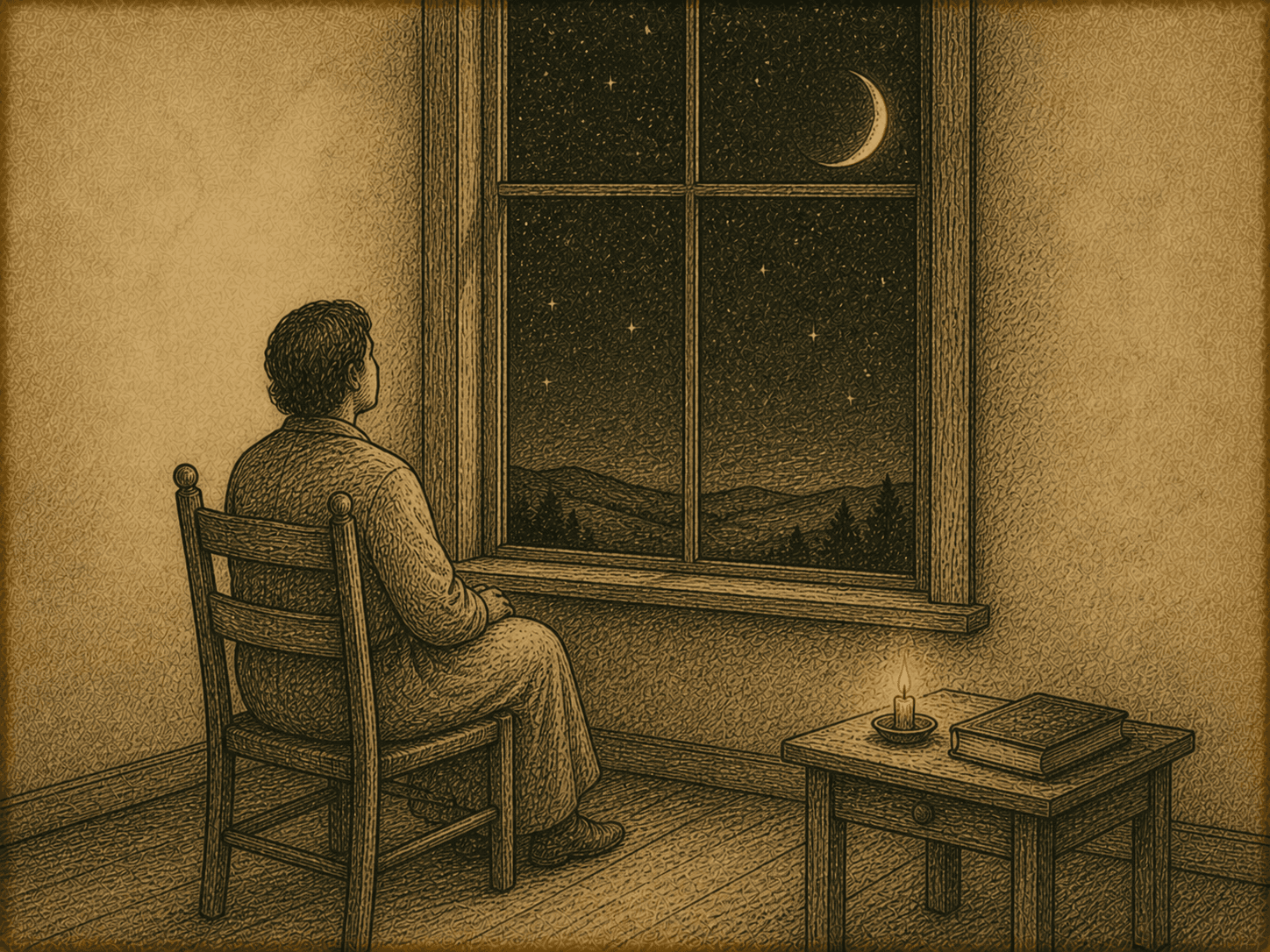
ليلٌ متأخر. العالم خارج النافذة نائم. لا صوت إلا همسات الريح وأفكاري التي تتأمل ما كان.
ثلاثون سنة من الأسئلة. من البحث. من الحيرة والوضوح، من السقوط والقيام. رحلة بدأت بصوت داخلي في طفولتي، وها أنا أجلس الآن، أتأمل أين وصلت.
الطمأنينة لا تأتي من امتلاك جواب أخير.
هذا ما فهمته. كنت أظن أنني حين أجد الجواب الكامل، ستحل السكينة. سأعرف كل شيء، وعندها سأرتاح.
لكن الأمر لا يعمل هكذا.
الطمأنينة تأتي من حالة انسجام. من الشعور بأنك في المكان الصحيح، تسير في الاتجاه الصحيح، حتى لو لم تر نهاية الطريق. ليست معرفة كل شيء، بل ثقة بأن هناك معنى حتى لما لا تعرفه.
والسؤال يهدأ.
ليس لأنه مات. ليس لأنني قمعته أو تعبت منه. بل لأنه أدى مهمته.
السؤال كان محركاً. دفعني للبحث، للتفكير، للتقدم. كان صوتاً مزعجاً أحياناً، لكنه كان صادقاً. كان يقول: هناك شيء ما، ابحث عنه.
الآن، السؤال يهدأ لأنه وجد ما كان يبحث عنه. ليس كل التفاصيل، لكن ما يكفي. وجد الاتجاه. وجد المعنى. وجد ما يستحق أن يُعاش من أجله.
السؤال لم يمت. ما زال موجوداً. لكنه صار هادئاً، راضياً، مطمئناً.
وأدركت أنني لست مطالباً بالإحاطة بكل شيء.
هذا تحرر كبير. سنوات وأنا أحاول أن أفهم كل شيء. أن أصل إلى نقطة لا يبقى فيها سؤال بلا جواب. كأن الراحة مشروطة بالمعرفة الكاملة.
لكنني لست إلهاً. عقلي محدود. وجودي محدود. لا يمكنني أن أحيط بالمطلق، لأنني لست مطلقاً.
وهذا لا بأس به.
يكفيني أن أعرف ما يكفي للسير. ما يكفي للثقة. ما يكفي لأعيش بسلام مع الأسئلة التي تبقى مفتوحة.
في هذا القرب الهادئ من الله، تنتفي الحاجة للتفسير الدائم.
قبلاً، كنت أريد أن أفهم كل شيء يحدث. لماذا هذا؟ لماذا الآن؟ ما الحكمة؟ ما السبب؟ كان ذهني لا يتوقف عن التحليل.
الآن، صار بإمكاني أن أقبل أحياناً دون أن أفهم. أن أثق دون أن أرى الصورة الكاملة. ليس استسلاماً، بل سكينة. سكينة من يعرف أن هناك حكمة حتى لو لم يدركها بعد.
فهمٌ صامت يحل محل السؤال الصاخب.
فهم لا يحتاج كلمات كثيرة. لا يحتاج براهين متواصلة. يكفيه أن يكون. يكفيه أن يُعاش.
حين أنظر إلى السماء في ليلة صافية، لا أحتاج أن أشرح لنفسي ما أشعر به. شيء ما في داخلي يعرف. يعرف أن هذا ليس عبثاً. يعرف أن هناك من صنع هذا الجمال. يعرف أنني جزء من شيء أكبر.
هذا الفهم الصامت أعمق من أي كلام.
ويكفيني أن أكون في الطريق.
لم أصل إلى النهاية. ربما لن أصل في هذه الحياة. لكن هذا لا يقلقني كما كان يقلقني.
الطريق نفسه صار له قيمة. ليس فقط الوصول. كل خطوة فيها معنى. كل يوم فيه فرصة. كل لحظة فيها حضور.
أن تكون في الطريق الصحيح يكفي. والباقي يأتي في وقته.
أنظر من النافذة الآن.
الليل عميق. النجوم بعيدة. والعالم يبدو واسعاً، غامضاً، جميلاً.
لا أعرف كل شيء عن هذا العالم. لا أعرف كل شيء عن الله. لا أعرف كل شيء عن نفسي. لكنني أعرف ما يكفي.
أعرف أن المسار لم يكن بلا معنى. أعرف أن كل سؤال قادني إلى مكان. أعرف أن كل ألم كان له دور. أعرف أنني لست وحدي.
هذه هي السكينة الأخيرة.
ليست نهاية البحث، بل نضجه. ليست موت السؤال، بل هدوءه. ليست معرفة كل شيء، بل ثقة تكفي.
ثقة بأن الطريق مستمر. بأن هناك من يرانا ونحن نسير. بأن النهاية، أياً كانت، ستكون أجمل مما نتخيل.
في هذه اللحظة الهادئة، في هذا الليل العميق، أشعر بشيء قريب من السلام.
سلام من يعرف أنه في الطريق الصحيح.
سلام من يثق بما لا يراه.
سلام من وصل، ولو لم يصل بعد.
الأسئلة التي تبقى: ما لا نعرفه
لن أتظاهر بأنني وجدت كل الأجوبة.
هذا الكتاب ليس ادّعاءً بالإحاطة. ليس خريطة كاملة للوجود. هو رحلة شخصية، وصلت فيها إلى ما وصلت إليه، وتركت أشياء كثيرة معلقة.
أريد أن أكون صادقاً في هذا الفصل. أريد أن أتحدث عما لا أعرفه.
السؤال الأول الذي يبقى معلقاً: ما طبيعة العوالم السابقة بالتحديد؟
تحدثت عن عوالم مر بها الإنسان قبل هذا العالم. استنتجت وجودها من منطق السلسلة والعدالة. لكنني لا أعرف شكلها. لا أعرف كيف تبدو الحياة فيها. لا أعرف ما نوع التجارب التي يمر بها المخلوق هناك.
هل هي عوالم مادية بقوانين مختلفة؟ هل هي حالات وعي؟ هل الزمن فيها يشبه زمننا؟
لا أعرف. واستنتاجاتي لا تصل إلى هذا المستوى من التفصيل.
السؤال الثاني: كيف يحدث الانتقال بين العوالم فعلياً؟
تحدثت عن الموت كبوابة، عن النفس التي تحمل ما اكتسبته. لكن الآلية الفعلية تبقى غامضة. هل هناك لحظة انتقال واعية؟ هل ننسى كل شيء؟ هل نحتفظ بشيء من الذاكرة؟
هذه أسئلة لا أملك لها أجوبة. أستطيع أن أتأمل وأتخيل، لكنني لا أستطيع أن أجزم.
السؤال الثالث: لماذا الألم بهذا القدر؟
نعم، فهمت أن الألم إشارة، أن له دوراً في المسار، أنه جزء من التعلم والنمو. لكن أحياناً، حين أرى معاناة شديدة - طفل يموت من المرض، شعب يُباد، كارثة تمحو الأبرياء - أسأل نفسي: هل كان لا بد من هذا القدر؟
أثق بالحكمة الإلهية. لكنني لا أدّعي أنني أفهمها في هذه الحالات. الألم الشديد يبقى سؤالاً مفتوحاً، حتى بعد كل ما فهمته.
السؤال الرابع: ما مصير من لم يعرف؟
تحدثت عن الارتقاء، عن الوعي، عن الاختيار. لكن ماذا عن من لم تتح له الفرصة؟ الطفل الذي مات قبل أن يعي. الإنسان الذي عاش في ظروف لم تسمح له بالتفكير. المريض الذي فقد عقله.
أثق بالعدالة الإلهية. أثق بأن لكل نفس مساراً يناسبها. لكن التفاصيل تبقى خارج إدراكي.
السؤال الخامس: ما شكل المآل الأخير؟
تحدثت عن العودة إلى الأصل، عن اكتمال المسار، عن القرب من الله. لكن كيف يبدو ذلك فعلياً؟ هل هو مكان؟ حالة؟ وعي مختلف؟ هل تبقى الهوية الفردية؟ هل نلتقي بمن أحببنا؟
لا أعرف. كل ما أستطيع قوله إنه اكتمال وسلام. أما التفاصيل، فتتجاوز ما يستطيع عقلي أن يتصور.
هذه الأسئلة لا تهز إيماني.
قد يبدو هذا غريباً. كيف أؤمن وأنا لا أعرف كل شيء؟ لكن هذا بالضبط ما تعلمته: الإيمان لا يشترط المعرفة الكاملة.
أعرف ما يكفي لأثق. أعرف أن هناك إلهاً حكيماً. أعرف أن للوجود معنى. أعرف أن المسار ليس عبثياً. هذا يكفيني. والباقي أتركه لحكمة أعلى من حكمتي.
وأدعوك، أيها القارئ، لتطرح أسئلتك أنت.
ربما لديك أسئلة لم أفكر فيها. ربما ترى ثغرات في ما طرحته. ربما تصل إلى أماكن لم أصل إليها.
هذا الكتاب ليس نهاية الحوار، بل بداية. ليس جواباً نهائياً، بل دعوة للتفكير. خذ ما يفيدك، واترك ما لا يقنعك، وأكمل البحث بنفسك.
الحقيقة أكبر من أي كتاب. أكبر من أي إنسان. وكل واحد منا يرى جزءاً منها من زاويته الخاصة.
قبول عدم المعرفة الكاملة ليس ضعفاً.
كنت أظنه كذلك. كنت أظن أن الاعتراف بالجهل اعتراف بالفشل. لكنني تعلمت أن العكس هو الصحيح.
من يدّعي أنه يعرف كل شيء إما يكذب أو يخدع نفسه. الصدق يقتضي الاعتراف بالحدود. والتواضع أمام ما لا نعرف علامة نضج، لا علامة ضعف.
أقف أمام الكون بكل اتساعه، أمام الله بكل عظمته، وأقول: أنا صغير. معرفتي محدودة. لكنني أحاول. وهذا يكفي.
الأسئلة المفتوحة ليست عيباً في الرحلة.
هي جزء منها. هي ما يبقي الباب مفتوحاً للمزيد. ما يمنع الإيمان من أن يتحول إلى جمود. ما يحافظ على حيوية البحث.
لو كنت أعرف كل شيء، لتوقفت. لكن لأنني لا أعرف، أستمر. أتأمل. أسأل. أبحث. حتى لو لم أصل إلى جواب، فإن السؤال نفسه يُغنيني.
في نهاية هذا الفصل، أقول بكل صدق:
لا أعرف كل شيء. ولن أعرف. وهذا لا بأس به.
ما أعرفه يكفيني لأعيش. يكفيني لأثق. يكفيني لأسير في الطريق بسلام.
والباقي؟ الباقي أتركه للرحلة التي لم تنته بعد. لعوالم أخرى ربما. لوعي أوسع ربما. للحظة يكتمل فيها الفهم بشكل لا أستطيع تخيله الآن.
حتى ذلك الحين، أحمل أسئلتي المفتوحة كرفاق في الطريق، لا كأعداء.
رسالة إلى من يبحث
أنت الذي تقرأ هذا الآن.
لا أعرف من أنت. لا أعرف عمرك، ولا أين تعيش، ولا ما الذي قادك إلى هذا الكتاب. لكنني أعرف شيئاً واحداً: إذا وصلت إلى هنا، فأنت تبحث عن شيء.
ربما تبحث عن معنى. ربما تبحث عن إجابات. ربما تمر بمرحلة صعبة وتريد أن تفهم. أو ربما مجرد فضول قادك إلى هذه الصفحات.
أياً كان السبب، أريد أن أتحدث إليك مباشرة.
الرحلة التي قرأت عنها هي رحلتي أنا. ليست رحلتك.
هذا أهم شيء أريدك أن تفهمه. ما وصلت إليه وصلت إليه من طريقي الخاص. بأسئلتي الخاصة. بتجاربي الخاصة. بطريقة تفكيري الخاصة.
طريقك سيكون مختلفاً. أسئلتك ستكون مختلفة. ما يقنعك سيختلف عما أقنعني. وهذا طبيعي. هذا صحي. هذا كما يجب أن يكون.
لا تحاول أن تعيش رحلة غيرك. عش رحلتك أنت.
لكن دعني أشاركك بعض ما تعلمته في الطريق. ليس كحقائق يجب أن تقبلها، بل كملاحظات من مسافر سبقك في بعض الدروب.
أولاً: لا تخف من السؤال.
السؤال ليس عيباً. ليس ضعفاً في الإيمان. ليس تمرداً. السؤال هو الطريقة الوحيدة للوصول إلى فهم حقيقي. الإجابات الجاهزة التي تأخذها من غيرك دون أن تسأل تبقى سطحية. لن تصمد حين تهتز الأرض تحت قدميك.
اسأل. حتى لو أزعجت الآخرين. حتى لو أزعجت نفسك.
ثانياً: كن صبوراً.
الرحلة طويلة. لن تجد الإجابات غداً. ربما لن تجدها بعد سنة. ربما ستحتاج عقوداً، كما احتجت أنا.
هذا لا يعني أن تتوقف. يعني أن تقبل أن بعض الأشياء تحتاج وقتاً. النضج لا يُستعجل. الفهم لا يُجبر. أحياناً، أفضل ما تفعله هو أن تعيش، وتراقب، وتنتظر.
الجواب سيأتي حين تكون مستعداً له.
ثالثاً: لا تبحث في الكتب وحدها.
الكتب مهمة. ساعدتني كثيراً. لكن الحياة نفسها هي المعلم الأكبر. التجارب التي تمر بها، الناس الذين تقابلهم، الألم الذي تعانيه، الفرح الذي تذوقه - كل هذا يعلمك أشياء لن تجدها في أي كتاب.
انتبه لحياتك. راقبها. تأملها. الدروس موجودة في كل مكان، إذا كنت تنظر.
رابعاً: لا تخف من الشك.
الشك ليس عدو الإيمان. الشك هو ما يجعل الإيمان حقيقياً. الإيمان الذي لم يُختبر بالشك إيمان هش. أما الإيمان الذي مر بالشك وخرج منه، فهذا إيمان له جذور.
حين تشك، لا تهرب. واجه الشك. اسأله: ماذا تريد أن تقول لي؟ ماذا تكشف لي عن نفسي؟ أحياناً، الشك هو الطريق إلى يقين أعمق.
خامساً: كن رحيماً بنفسك.
ستخطئ. ستسقط. ستعود إلى عادات ظننت أنك تجاوزتها. ستشعر أحياناً أنك لم تتقدم خطوة واحدة.
هذا طبيعي. هذا بشري. لا تقسُ على نفسك. الرحلة ليست سباقاً. ليس هناك من يحاسبك على سرعتك. المهم أن تستمر، حتى لو ببطء. حتى لو بتعثر.
وأخيراً: ثق بأن هناك شيئاً يستحق البحث.
ربما لا تراه الآن. ربما تشعر بأنك تمشي في ظلام. ربما تسأل نفسك: هل هناك فعلاً شيء في نهاية هذا الطريق؟
أقول لك من تجربتي: نعم. هناك شيء. شيء يستحق كل خطوة. كل سؤال. كل ألم. كل انتظار.
لن أصفه لك، لأنك ستراه بطريقتك. لكنه موجود. وحين تصل إليه، ستعرف أن الرحلة كانت تستحق.
أتمنى لك رحلة مباركة.
أتمنى أن تجد ما تبحث عنه. أتمنى أن تمر بلحظات من الوضوح تنير طريقك. أتمنى أن تجد السكينة التي يستحقها كل باحث صادق.
وإذا تعبت في الطريق، تذكر أنك لست وحدك. آخرون ساروا قبلك. آخرون يسيرون معك الآن. وآخرون سيأتون بعدك.
نحن جميعاً في هذه الرحلة معاً، حتى لو لم نلتقِ.
ابدأ من حيث أنت.
لا تنتظر اللحظة المثالية. لا تنتظر أن تكون مستعداً تماماً. ابدأ الآن. بسؤال صغير. بتأمل قصير. بنظرة مختلفة للعالم.
الرحلة تبدأ بخطوة. خطوة واحدة فقط.
خذها.
بعد عشر سنوات: النظرة من هنا
أجلس الآن في نفس المكان.
نفس الشرفة. نفس الكرسي القديم. نفس المنظر الذي تأملته قبل سنوات حين بدأت أكتب هذا الكتاب. الأشجار كبرت قليلاً. بعض البيوت في الأفق تغيرت. لكن السماء هي السماء. والهدوء هو الهدوء.
عشر سنوات مرت منذ بدأت أضع هذه الأفكار على الورق. عشر سنوات من العيش مع ما فهمته. من اختباره. من السقوط والقيام. من التساؤل هل كان كل هذا صحيحاً.
حين بدأت الكتابة، كنت أسأل: كيف وصلت إلى هنا؟
كنت أتأمل رحلة ثلاثين سنة. من ذلك الطفل الذي يراقب الأطفال في ساحة المدرسة، إلى الرجل الذي يجلس على هذه الشرفة ويحاول أن يضع ما فهمه في كلمات.
الآن، بعد عشر سنوات أخرى، أسأل سؤالاً مختلفاً: ماذا تغير فعلاً؟
الحياة لم تصبح أسهل.
هذا أول ما تعلمته. الفهم لا يلغي الصعوبات. لا يمنع الخسارة. لا يوقف الألم. خلال هذه السنوات العشر، فقدت أشخاصاً أحبهم. واجهت إخفاقات لم أتوقعها. مررت بأوقات شككت فيها بكل شيء.
لكن شيئاً كان مختلفاً.
الألم كان يمر. كان يؤلم، نعم، لكنه كان يمر. لم يعد يستقر في داخلي كما كان يفعل من قبل. صرت أراه، أعترف به، أتركه يأخذ وقته، ثم أتابع.
تعلمت أن الفهم لا يكفي وحده.
كان هذا درساً قاسياً. ظننت أنني حين أفهم، سأتغير تلقائياً. لكن الأمر لا يعمل هكذا. الفهم بداية، لا نهاية. بعده يأتي العمل الحقيقي: تطبيق ما فهمته يوماً بعد يوم، في القرارات الصغيرة، في ردود الفعل، في طريقة التعامل مع الناس.
سقطت كثيراً. عدت إلى أنماط ظننت أنني تجاوزتها. غضبت حين كان يجب أن أصبر. انغلقت حين كان يجب أن أنفتح. لكنني تعلمت أن أقوم. وكل مرة، كان القيام أسرع قليلاً.
لو التقيت بنفسي قبل عشر سنوات، ماذا كنت سأقول؟
ربما كنت سأقول: استرخِ قليلاً. لا تحمل كل هذا الثقل. الطريق أطول مما تظن، والله أرحم مما تتخيل.
كنت سأقول: ستخطئ. كثيراً. وهذا جزء من الرحلة، لا انحراف عنها.
كنت سأقول: الناس الذين يؤذونك الآن، سترى لاحقاً أنهم كانوا يحملون آلامهم الخاصة. لا تحمل لهم الحقد. ستحتاج هذه الطاقة لأشياء أهم.
ما الذي لم أتوقعه؟
لم أتوقع كم ستصبح الحياة أبسط. ليس أسهل، بل أبسط. حين تعرف ما يهم فعلاً، تتوقف عن الركض وراء أشياء كثيرة. تختار. تركز. تعيش بوضوح أكبر.
لم أتوقع أيضاً كم سيتغير شعوري تجاه الموت. كان يخيفني. الآن، لا أقول إنني أتمناه، لكنني لا أخافه كما كنت. صار يبدو كمحطة في رحلة، لا كنهاية مظلمة.
ولم أتوقع كم ستتعمق علاقتي بالصمت. صرت أحتاج أوقاتاً طويلة من الهدوء. ليس هرباً من العالم، بل لأعود إليه أكثر حضوراً.
أنظر الآن إلى السماء.
نفس السماء التي نظرت إليها قبل أربعين سنة، حين كنت طفلاً يسأل عن الصوت الداخلي. نفس السماء التي نظرت إليها حين وقفت حائراً في قاعة الصلاة. نفس السماء التي رافقتني في كل محطات البحث.
شيء ما يربط كل تلك اللحظات. خيط واحد يمتد من ذلك الطفل إلى هذا الرجل الذي يجلس الآن على الشرفة. الأسئلة تطورت. الإجابات جاءت وذهبت وجاءت بشكل جديد. لكن الباحث هو نفسه.
هل وصلت؟
سؤال كنت أطرحه كثيراً. الآن أفهم أنه سؤال خاطئ. ليس هناك "وصول" بالمعنى النهائي. هناك سير. هناك اقتراب. هناك لحظات من الوضوح تتبعها لحظات من الضبابية. هناك حياة تُعاش.
لكنني أستطيع أن أقول: أنا في سلام.
ليس سلاماً مثالياً خالياً من القلق. بل سلام من يعرف أنه في الطريق الصحيح. سلام من يثق بأن ما يراه جزء من صورة أكبر. سلام من يؤمن بأن النهاية، أياً كانت، ستكون خيراً.
الشمس تغرب الآن.
السماء تتلون بالبرتقالي والأحمر. نفس الألوان التي رأيتها آلاف المرات. لكنني أراها الآن بعيون مختلفة. أرى فيها شيئاً من جمال الخالق. شيئاً من الحكمة التي تنظم كل هذا الكون.
أربعون سنة من البحث. وها أنا هنا.
لم أصل إلى نهاية الطريق. لكنني وصلت إلى مكان أستطيع فيه أن أرتاح قليلاً. أن أنظر للوراء بامتنان. أن أنظر للأمام بثقة.
الرحلة مستمرة. لكنني لم أعد أمشي في ظلام.
أفق جديد: تمهيد للرحلة القادمة
لكن الرحلة لم تنتهِ.
ظننتُ لفترة أنني وصلت. أن ما فهمته يكفي. أن الأسئلة الكبرى قد وجدت أجوبتها. لكن سؤالاً جديداً بدأ يتشكّل في ذهني، سؤال لم أستطع تجاهله.
تأملتُ فيما وصلتُ إليه.
الله هو المعلومات الشاملة التي انبثق منها كل شيء. ومن بين ما انبثق منه مفهوم "المعلّم" - ذلك الذي ينقل المعرفة ويهدي إلى الطريق. وإذا كان المعلّم مفهوماً منبثقاً من الله، فالله هو المعلّم المطلق. المعلّم الذي لا يعجز عن الإيصال، ولا يخطئ في التوجيه، ولا يترك من يحتاج إلى الهداية دون هداية.
وهذا ليس استنتاجاً اختيارياً. إنه نتيجة حتمية لما فهمته عن الكمال.
الكمال لا يمكنه إلا أن يتجلّى. قلنا هذا سابقاً. والمعلّم الكامل لا يمكنه إلا أن يعلّم.
نظرتُ إلى العالم من هذه الزاوية الجديدة.
كيف يعلّم الله مخلوقاته؟
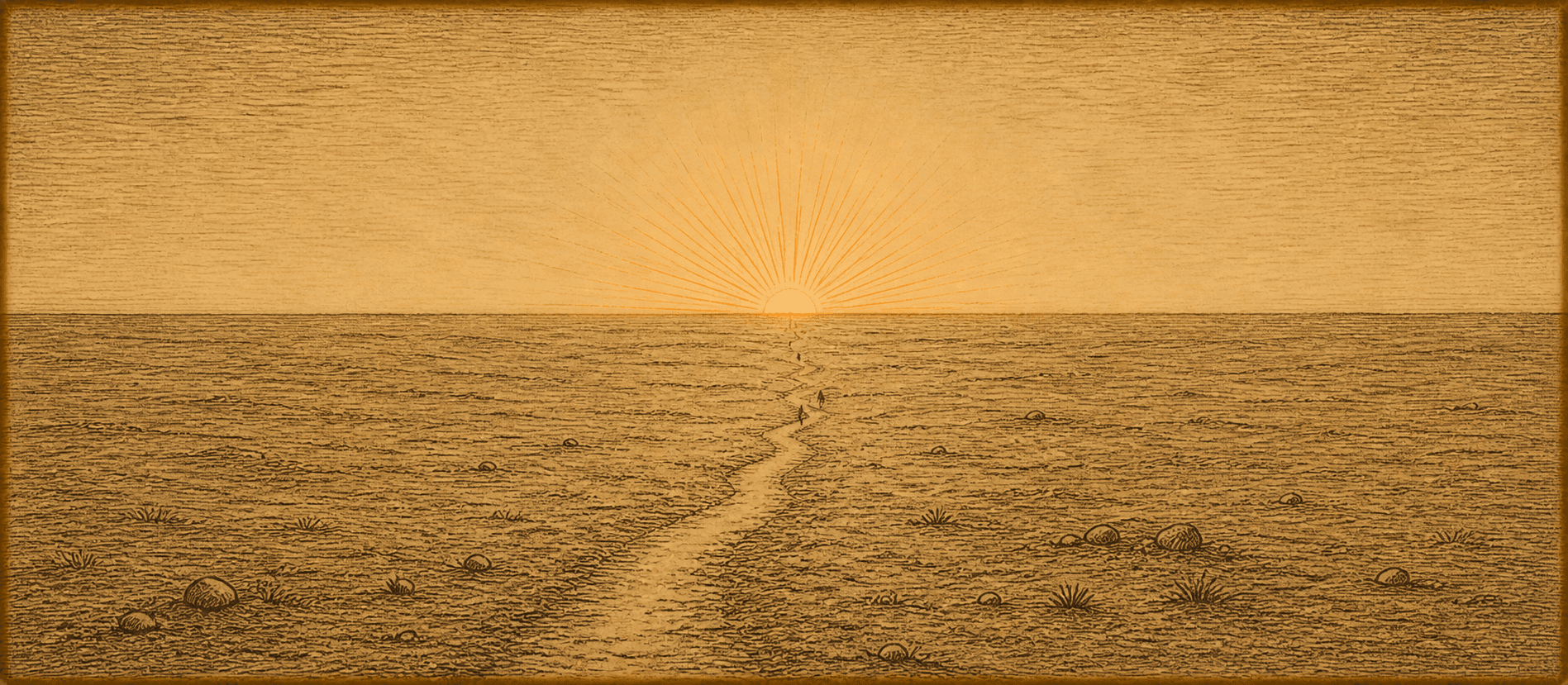
الجماد علّمه بالقوانين. الصخرة لا تحتاج أن "تفهم" كيف تسقط. قانون الجاذبية يحرّكها. الماء لا يحتاج أن "يقرر" أن يتبخر. قوانين الحرارة تفعل ذلك. كل شيء في عالم الجماد يتحرك وفق أنظمة محكمة وُضعت فيه، تحدد حالته وحركته ومساره.
الكائنات الحية علّمها بالغريزة. الطائر يعرف كيف يبني عشه دون أن يتعلم. السمكة تعرف كيف تسبح لحظة ولادتها. النحلة تعرف كيف تصنع العسل دون مدرسة ولا كتاب. كل كائن حي يحمل في داخله معرفة مزروعة، تقوده إلى ما يحفظ حياته ويخدم دوره في النظام.
لكن الإنسان؟
الإنسان أُعطي شيئاً مختلفاً. أُعطي العقل.
العقل أداة عجيبة.
يستطيع أن يتجاوز الغريزة. يستطيع أن يسأل "لماذا" بدل أن يكتفي بـ"كيف". يستطيع أن يرى ما وراء الحاجة المباشرة، أن يفكر في المستقبل البعيد، أن يبحث عن المعنى.
لكن العقل وحده، هل يكفي؟
هذا السؤال أرّقني.
الإنسان يستطيع بعقله أن يكتشف القوانين الجزئية. يستطيع أن يفهم كيف يعمل جسده، كيف تدور الكواكب، كيف تتفاعل العناصر. لكن الوصول إلى المنظور الشامل - رؤية الصورة الكلية، فهم الغاية من الوجود، إدراك موقعه في النظام الكوني - هذه مهمة مختلفة تماماً.
هذه المهمة تتطلب أن يصل الإنسان إلى حدود معرفته، ثم يقفز.
قفزة إيمانية. ثقة بأن ما وراء الحدود موجود، حتى لو لم يستطع رؤيته بوضوح.
تأملتُ في هذا طويلاً.
كم من البشر يستطيعون القيام بهذه القفزة؟ كم منهم يملكون الوقت والقدرة والظروف التي تسمح لهم بخوض رحلة كهذه؟
أغلب الناس مشغولون بلقمة العيش. بتربية الأبناء. بمواجهة صعوبات الحياة اليومية. ليس لديهم ترف التفرغ لثلاثين سنة من البحث والتأمل.
هل يتركهم الله دون هداية؟
المعلّم الكامل، هل يعلّم فئة قليلة ويترك الباقين في الظلام؟
هذا لا يستقيم مع ما فهمته عن الكمال. لا يستقيم مع العدل. لا يستقيم مع الرحمة.
إذاً، لا بدّ أن الله قد عمل على هداية الناس بشكل ما.
شكل يصل إلى الجميع، لا إلى النخبة فقط. شكل لا يتطلب عقلاً فلسفياً أو عمراً من البحث. شكل يأخذ بيد الإنسان العادي ويريه الطريق.
وحين نظرتُ إلى العالم بهذه العين، وجدتُ شيئاً.
وجدتُ أدياناً منتشرة في كل مكان وزمان. وجدتُ كتباً يقول أصحابها إنها من السماء. وجدتُ قصصاً عن رسل وأنبياء جاؤوا ليعلّموا الناس. وجدتُ ملايين البشر عبر التاريخ يؤمنون بأن الله تكلّم، بأنه أرسل، بأنه هدى.
ما حقيقة كل هذا؟
هل هذه الأديان فعلاً من الله؟ أم هي صناعة بشرية؟
هل هذه الكتب وحي حقيقي؟ أم تأليف إنساني نُسب إلى السماء؟
هل هؤلاء الرسل والأنبياء حقاً حملوا رسالة إلهية؟ أم هم مصلحون اجتماعيون أضفى عليهم أتباعهم هالة القداسة؟
وإن كان بعضها حقاً من الله، فأيها؟ ولماذا تعددت واختلفت؟
وهل يمكن أن تكون الحقيقة مغايرة تماماً لكل ما نعرفه؟ شيء لم تكتشفه البشرية بعد، أو اكتشفته ونسيته، أو شوّهته حتى صار غير قابل للتعرف؟
هذه الأسئلة لا أملك أجوبتها الآن.
لكنني أعرف أنها تستحق البحث. بل ربما هي أهم ما يستحق البحث بعد ما وصلتُ إليه.
لأن ما فائدة أن أعرف الله إن لم أعرف كيف أعيش معه؟ ما فائدة أن أفهم الغاية إن لم أجد الطريقة؟
الرحلة الأولى أوصلتني إلى الله. الرحلة القادمة يجب أن توصلني إلى فهم كيف تجلّى المعلّم المطلق في هذا العالم.
هذا هو الأفق الجديد.
أفق أقف أمامه الآن، أنظر إليه، أعرف أنه يحمل أسئلة صعبة وربما أجوبة مفاجئة. لكنني لم أعد أخاف من الأسئلة الصعبة. الرحلة الأولى علّمتني أن الأسئلة، مهما كانت مخيفة، هي الطريق الوحيد إلى الحقيقة.
أدعوك أن تخوض هذه الرحلة بنفسك.
ابحث. اسأل. لا تقبل الأجوبة الجاهزة دون تمحيص. لا ترفضها دون تأمل. كن صادقاً مع نفسك. واتبع الحقيقة أينما قادتك.
وإن قُدّر لي، سأشارك هذه الرحلة معك في جزء جديد. سنكتشف معاً آثار تجلّي المعلّم المطلق في هذا العالم. سنبحث في الأديان والكتب والرسالات. سنسأل الأسئلة الصعبة ونواجه الأجوبة المحتملة.
لكن حتى ذلك الحين، لا تنتظرني.
ابدأ رحلتك أنت.
فالطريق لا ينتظر أحداً.
How Do We Live After Understanding?
After all this journey, how does life change?
A question I asked myself often. Have I become a different person? Has my way of living changed? Or does all this understanding remain in the world of ideas, far from daily reality?
The truth is that the form of living changes from the inside.
I still wake up in the morning, go to my work, deal with people, face what I face; life from the outside looks similar. But the way I act, and decide, and am present — this has changed.
Take decisions, for example.
I used to decide based on what seemed comfortable in the moment. What achieves a quick result. What spares me immediate pain.
Now, I try to ask: What serves the longer path? Not only what I want now, but what builds me. What brings me closer to being the person I want to be.
Sometimes this means choosing the harder road. Delaying pleasure. Accepting temporary pain. But I have come to see this as investment, not loss.
Knowledge does not call for disconnection from the world.
This is what I understood. Some people think deep understanding means withdrawal. Abandoning ordinary life. Sitting in isolation and meditating.
But the opposite is true. Understanding calls for deeper presence, not absence. Conscious presence in every moment. In work, in relationships, in small details.
The difference is that it is presence of a different quality. I am not merely existing, but aware of my existence. I am not merely acting, but aware of what I am doing and why.
Every action began to seem part of a more comprehensive path.
This is perhaps the most important change. Before, days would pass disconnected from each other. Scattered actions with no link between them. Wake up, work, sleep, repeat.
Now, I see a thread connecting things. The decision I make today has a relationship with what happened yesterday and what will happen tomorrow. The person I deal with may be part of a lesson I need to learn. The present moment is not isolated, but a point on a path.
This gives daily life a different weight. Not a weight that exhausts, but a weight that gives meaning.
But what is this more comprehensive path? Where does it lead?
After all I understood, I arrived at an answer both simple and deep: The goal is to become a reflection of God's attributes.
The soul was created to carry attributes of perfection. Mercy, justice, wisdom, giving, patience. Not in an absolute way as they are with God, but to the degree a creature can. The more I approach these attributes, the more I approach the purpose for which I was created.
And when I carry these attributes, I no longer live for myself alone.
Look at the world around you. The sun rises every day, not for itself, but to give life to everything. The moon illuminates the night. Seasons succeed to preserve the cycle of nature. Rain falls to water the earth. Everything in the universe plays a role in the continuation of life.
This is the complete picture. An integrated system, every element in it gives and participates and serves the whole.
And the human? Were they created to stand outside this picture? To only take without giving? To think of their own benefit while everything around them participates in preserving existence?
No. The human is part of this picture. Called to be active in it, not a spectator of it.
When I carry the attributes of mercy and justice and giving, I become like the sun in my role. I illuminate what is around me. I contribute to the continuation of life. I become part of the cosmic system that works in harmony.
This does not mean erasing the self. But it means expanding it. To see myself as part of a greater whole. To understand that my true benefit is not separate from the benefit of the whole, but realized through it.
The fundamental transformation is the transition from automatic response to intentional action.
Before, I would act with reactions. Something happens, I react. Automatically, without much thinking. Anger would drive me and I would explode. Fear would drive me and I would flee. Desire would drive me and I would rush.
Now, there is distance. A small distance between stimulus and response. In this distance, I can choose. I am not compelled to act in the usual way. I can stop, look, decide.
This distance is freedom.
I do not claim I have reached an ideal state.
I still err. I still sometimes act with automatic reactions. I still lose awareness and get swept by the current. The difference is that I have come to notice. And when I notice, I can correct.
This is how life changes after understanding. Not a sudden dramatic change, but a gradual quiet transformation. A different way of seeing, of dealing, of living.
And the road continues. Every day is a new opportunity to live what I understood. To translate knowledge into life.
Faith: A Rational Result, Not a Blind Leap
Many think faith begins where reason ends.
As if there is a dividing line: This far reason reaches, and beyond it is a leap in the dark. Either you leap and believe, or you stay at the edge and refuse.
But this is not what I experienced.
Faith, as I understood it, is not a leap away from reason. Rather, it is what settles in it after a long journey.
Throughout this path, I used reason. I asked, searched, analyzed, concluded. I did not ask myself to believe in something I do not understand. I did not accept ready answers because someone told them to me. I wanted to see for myself, to understand for myself.
And reason led me. Step after step. From the question about the world, to the question about its origin. From the multiple worlds, to the First Origin. From information, to consciousness. From consciousness, to God.
There was no moment when I was asked to close my eyes and leap. Every step was built on what came before.
Yes, reason has limits.
This is true and I do not deny it. There are things the human mind cannot encompass. God's perfection, for example. A limited mind cannot perceive absolute perfection. The nature of existence before the worlds. What will happen at the final destination in detail. These are matters that exceed our capacity to encompass.
But reaching the limits of reason does not mean reason has failed. It means it has reached the utmost of what it can. And this is an achievement, not a failure.
When reason reaches its limits, it does not break down or collapse.
This is what I discovered. It reaches a point where it says: This far I can see clearly, and beyond that I trust it exists but I cannot see it completely.
This trust is not blind. It is trust built on everything reason saw along the way. If everything I have seen so far is logical and consistent, then it is reasonable to trust that what I do not see follows the same logic.
Like someone walking on a long road. They see the road before them for a certain distance. Then the road disappears behind a turn. Do they stop and refuse to continue because they do not see what is beyond the turn? Or do they trust, based on everything they have seen so far, that the road continues?
Faith, then, is not a substitute for reason. It is its extension.
When reason reaches its utmost, it hands the banner to faith. Not as surrender, but as integration. Reason says: I have reached here, and everything I have seen points in a certain direction. And faith says: I will trust this direction and continue.
This kind of faith is not blind. It is faith that has a foundation. Has a history of questions and searching and understanding. It is not faith that fears the question, but faith born from the question.
And this faith leaves room for conscious trust.
Trust that says: I do not know everything, and I will not know. But I know enough to walk. I know the direction. I know there is meaning. I know the path is not absurd.
This trust does not cancel questions. It allows them to exist. The person who believes in this way can ask, can doubt sometimes, can wonder. Because their faith is not fragile, fearing the test. But faith that passed through the test and emerged stronger.
At the end of this journey, I do not say I know everything about God.
I say I know enough to trust. Enough to live based on this trust. Enough to see meaning in existence, and purpose in the path, and wisdom in what happens.
This is faith as I understood it: a natural result of an honest intellectual journey. Not an escape from questions, but arrival at a point where questions calm. Not a closing of the mind, but an opening of the heart after reason has done its part.
A leap? Perhaps. But it is a leap that reason sees as logical, a leap in a direction everything before pointed to. A leap, yes, but not a blind one.
The World Anew: A Different Reading of Life
The world has not changed. But I have come to see it differently.
This is what I realized after years of this journey. The same sun, the same people, the same kinds of problems. But something in my way of seeing has changed. And this difference changed everything.
Suffering still exists.
I did not reach a state where I do not suffer. I still grieve when I lose something dear. I still get stressed when circumstances press. I still feel frustration when my plans fail.
But the significance of suffering has changed.
Before, pain seemed meaningless. Something happening to me unjustly. An obstacle preventing me from the life I deserve. I would resist it, get angry at it, ask why.
Now, I see pain differently. Not an enemy, but a harsh teacher sometimes. Not absurdity, but a sign. I may not immediately understand its meaning, but I trust it has meaning. And this trust alone lightens its weight.
And challenges still come.
Life has not become easy. It is still full of obstacles and difficulties and unpleasant surprises. But the place of these challenges in my view has changed.
Before, challenges seemed to stand in my way. Obstacles preventing me from reaching what I want. I saw them as enemies to be defeated.
Now, I see them as part of the road itself. Not obstacles on the road, but the road. The path does not pass around them, but through them. The challenge is not a deviation from the journey, but a station in it.
This simple shift in seeing completely changes the way of dealing.
And events began to seem like stages on an extended road.
I remember a period years ago when I lost a job I loved. At the time, it seemed like a catastrophe. An end. An unforgivable failure.
Now, when I look back, I see that loss differently. It was an end, yes, but it was also a beginning. It closed a door and opened another. It led me to a path I would not have taken without it.
Not every loss turns into a clear gain. But I have come to see that events, even painful ones, are not endings. They are points on a path. Stations, not final judgments.
And people began to seem different.
I used to look at some people as enemies. People who oppose me, hurt me, stand against me. I would classify them: this one is bad, this one is selfish, this one does not deserve respect.
Now, I try to remember that every person walks on their own path. A path whose details I do not know. They may be going through a difficult stage. They may be carrying wounds I do not see. They may be at a point in their path that makes them behave this way.
This does not mean I justify every bad behavior. But it means I see the human behind the behavior. I understand we are all on a journey, and each of us is at a different point.
A person I used to consider an enemy years ago, I now see differently. They did not change. My view changed. What I saw as enmity I now see as human weakness. What I saw as evil I now see as ignorance or pain appearing in distorted form.
The result? The world has become lighter to bear.
Not because problems decreased. But because the way of carrying them changed. When you see suffering as part of the path, it becomes less heavy. When you see challenges as stations, they become less frightening. When you see people as travelers like you, you become less angry.
Understanding lessens tension. Gives the experience depth. Gives pain a context. And when pain has context, it becomes bearable.
This is the different reading of life.
Not a rosy reading that ignores difficulties. But a reading that sees difficulties in a broader frame. A reading that acknowledges pain but refuses for it to be meaningless. A reading that sees in every event a chapter from a larger story.
The same world. But I am not the same person looking at it.
And this difference in seeing is, perhaps, the most precious thing I came out with from this journey.
The Final Tranquility: When the Question Falls Silent
I sit now in quiet.
A late night. The world outside the window is asleep. No sound except the whispers of the wind and my thoughts contemplating what has been.
Thirty years of questions. Of searching. Of confusion and clarity, of falling and rising. A journey that began with an inner voice in my childhood, and here I sit now, contemplating where I have arrived.
Tranquility does not come from possessing a final answer.
This is what I understood. I used to think that when I find the complete answer, peace would come. I would know everything, and then I would rest.
But it does not work like this.
Tranquility comes from a state of harmony. From the feeling that you are in the right place, walking in the right direction, even if you do not see the end of the road. It is not knowing everything, but trusting that there is meaning even in what you do not know.
And the question calms.
Not because it died. Not because I suppressed it or tired of it. But because it fulfilled its mission.
The question was an engine. It pushed me to search, to think, to advance. It was an annoying voice sometimes, but it was honest. It was saying: There is something, search for it.
Now, the question calms because it found what it was searching for. Not all the details, but enough. It found the direction. Found the meaning. Found what is worth living for.
The question did not die. It still exists. But it has become calm, satisfied, at peace.
And I realized I am not required to encompass everything.
This is a great liberation. Years I spent trying to understand everything. To reach a point where no question remains without answer. As if rest were conditioned on complete knowledge.
But I am not a god. My mind is limited. My existence is limited. I cannot encompass the absolute, because I am not absolute.
And this is fine.
It suffices me to know enough to walk. Enough to trust. Enough to live at peace with the questions that remain open.
In this quiet closeness to God, the need for constant explanation vanishes.
Before, I wanted to understand everything that happens. Why this? Why now? What is the wisdom? What is the reason? My mind would not stop analyzing.
Now, I have become able sometimes to accept without understanding. To trust without seeing the complete picture. Not as surrender, but as tranquility. The tranquility of one who knows there is wisdom even if they have not yet perceived it.
A silent understanding replaces the loud question.
An understanding that does not need many words. Does not need continuous proofs. It is enough for it to be. Enough for it to be lived.
When I look at the sky on a clear night, I do not need to explain to myself what I feel. Something inside me knows. Knows this is not absurd. Knows there is one who made this beauty. Knows I am part of something greater.
This silent understanding is deeper than any speech.
And it suffices me to be on the road.
I have not reached the end. Perhaps I will not reach it in this life. But this does not worry me as it used to.
The road itself has come to have value. Not only the arrival. Every step in it has meaning. Every day in it has opportunity. Every moment in it has presence.
To be on the right road suffices. And the rest comes in its time.
I look from the window now.
The night is deep. The stars are distant. And the world seems vast, mysterious, beautiful.
I do not know everything about this world. I do not know everything about God. I do not know everything about myself. But I know enough.
I know the path was not without meaning. I know every question led me somewhere. I know every pain had its role. I know I am not alone.
This is the final tranquility.
Not the end of the search, but its maturity. Not the death of the question, but its calm. Not knowing everything, but a trust that suffices.
Trust that the road continues. That there is one who sees us as we walk. That the end, whatever it may be, will be more beautiful than we imagine.
In this quiet moment, in this deep night, I feel something close to peace.
The peace of one who knows they are on the right road.
The peace of one who trusts in what they do not see.
The peace of one who has arrived, even if they have not yet arrived.
The Questions That Remain: What We Do Not Know
I will not pretend I found all the answers.
This book is not a claim of encompassment. Not a complete map of existence. It is a personal journey, in which I arrived at what I arrived at, and left many things suspended.
I want to be honest in this chapter. I want to speak about what I do not know.
The first question that remains suspended: What exactly is the nature of the previous worlds?
I spoke of worlds the human passed through before this world. I inferred their existence from the logic of the chain and of justice. But I do not know their form. I do not know what life looks like in them. I do not know what kind of experiences the creature goes through there.
Are they material worlds with different laws? Are they states of consciousness? Is time in them like our time?
I do not know. And my conclusions do not reach this level of detail.
The second question: How does transition between worlds actually happen?
I spoke of death as a gateway, of the soul that carries what it acquired. But the actual mechanism remains obscure. Is there a conscious moment of transition? Do we forget everything? Do we retain something of memory?
These are questions I have no answers for. I can contemplate and imagine, but I cannot assert.
The third question: Why pain to this degree?
Yes, I understood that pain is a sign, that it has a role in the path, that it is part of learning and growth. But sometimes, when I see severe suffering — a child dying of disease, a people being annihilated, a disaster erasing innocents — I ask myself: Was this much necessary?
I trust in divine wisdom. But I do not claim I understand it in these cases. Severe pain remains an open question, even after all I have understood.
The fourth question: What is the fate of those who did not know?
I spoke of ascent, of consciousness, of choice. But what about those who were not given the opportunity? The child who died before becoming aware. The person who lived in circumstances that did not allow them to think. The sick person who lost their mind.
I trust in divine justice. I trust that each soul has a path suited to it. But the details remain outside my perception.
The fifth question: What is the shape of the final destination?
I spoke of return to the origin, of completion of the path, of closeness to God. But what does that actually look like? Is it a place? A state? A different consciousness? Does individual identity remain? Do we meet those we loved?
I do not know. All I can say is that it is completion and peace. As for the details, they exceed what my mind can imagine.
These questions do not shake my faith.
This may seem strange. How do I believe when I do not know everything? But this is exactly what I learned: Faith does not require complete knowledge.
I know enough to trust. I know there is a wise God. I know existence has meaning. I know the path is not absurd. This suffices me. And the rest I leave to a wisdom higher than my wisdom.
And I invite you, reader, to ask your own questions.
Perhaps you have questions I did not think of. Perhaps you see gaps in what I presented. Perhaps you will reach places I did not reach.
This book is not the end of the dialogue, but the beginning. Not a final answer, but an invitation to think. Take what benefits you, leave what does not convince you, and continue the search yourself.
Truth is greater than any book. Greater than any person. And each of us sees a part of it from their own angle.
Accepting incomplete knowledge is not weakness.
I used to think it was. I used to think acknowledging ignorance was acknowledging failure. But I learned the opposite is true.
Whoever claims they know everything is either lying or deceiving themselves. Honesty requires acknowledging limits. And humility before what we do not know is a sign of maturity, not a sign of weakness.
I stand before the universe in all its vastness, before God in all His greatness, and say: I am small. My knowledge is limited. But I am trying. And this suffices.
Open questions are not a flaw in the journey.
They are part of it. They are what keeps the door open for more. What prevents faith from turning into rigidity. What preserves the vitality of the search.
If I knew everything, I would stop. But because I do not know, I continue. I contemplate. I ask. I search. Even if I do not reach an answer, the question itself enriches me.
At the end of this chapter, I say with all honesty:
I do not know everything. And I will not know. And this is fine.
What I know suffices me to live. Suffices me to trust. Suffices me to walk on the road in peace.
And the rest? The rest I leave to the journey that has not yet ended. To other worlds perhaps. To a wider consciousness perhaps. To a moment when understanding is completed in a way I cannot now imagine.
Until then, I carry my open questions as companions on the road, not as enemies.
A Message to the Seeker
You who are reading this now.
I do not know who you are. I do not know your age, nor where you live, nor what led you to this book. But I know one thing: If you have reached here, you are searching for something.
Perhaps you are searching for meaning. Perhaps you are searching for answers. Perhaps you are going through a difficult stage and want to understand. Or perhaps mere curiosity led you to these pages.
Whatever the reason, I want to speak to you directly.
The journey you have read about is my journey. Not yours.
This is the most important thing I want you to understand. What I arrived at, I arrived at from my own path. With my own questions. With my own experiences. With my own way of thinking.
Your path will be different. Your questions will be different. What convinces you will differ from what convinced me. And this is natural. This is healthy. This is as it should be.
Do not try to live someone else's journey. Live your own journey.
But let me share with you some of what I learned on the way. Not as truths you must accept, but as observations from a traveler who preceded you on some paths.
First: Do not fear the question.
The question is not a flaw. Not weakness of faith. Not rebellion. The question is the only way to reach true understanding. Ready answers you take from others without asking remain superficial. They will not hold when the ground shakes under your feet.
Ask. Even if you annoy others. Even if you annoy yourself.
Second: Be patient.
The journey is long. You will not find answers tomorrow. Perhaps not after a year. Perhaps you will need decades, as I needed.
This does not mean stop. It means accept that some things need time. Maturity cannot be rushed. Understanding cannot be forced. Sometimes, the best you can do is to live, and watch, and wait.
The answer will come when you are ready for it.
Third: Do not search in books alone.
Books are important. They helped me greatly. But life itself is the greater teacher. The experiences you go through, the people you meet, the pain you suffer, the joy you taste — all of this teaches you things you will not find in any book.
Pay attention to your life. Watch it. Contemplate it. Lessons are everywhere, if you are looking.
Fourth: Do not fear doubt.
Doubt is not the enemy of faith. Doubt is what makes faith real. Faith that has not been tested by doubt is fragile faith. But faith that passed through doubt and emerged, this is faith with roots.
When you doubt, do not flee. Face the doubt. Ask it: What do you want to tell me? What do you reveal to me about myself? Sometimes, doubt is the road to deeper certainty. ∗ ∗ ∗
Fifth: Be merciful to yourself.
You will err. You will fall. You will return to habits you thought you had transcended. You will sometimes feel you have not advanced a single step.
This is natural. This is human. Do not be harsh on yourself. The journey is not a race. There is no one holding you accountable for your speed. What matters is that you continue, even if slowly. Even if stumbling.
And finally: Trust that there is something worth searching for.
Perhaps you do not see it now. Perhaps you feel you are walking in darkness. Perhaps you ask yourself: Is there really something at the end of this road?
I tell you from my experience: Yes. There is something. Something worth every step. Every question. Every pain. Every waiting.
I will not describe it to you, because you will see it in your own way. But it exists. And when you reach it, you will know the journey was worth it.
I wish you a blessed journey.
I hope you find what you are searching for. I hope you pass through moments of clarity that illuminate your path. I hope you find the tranquility every sincere seeker deserves.
And if you tire on the road, remember you are not alone. Others walked before you. Others walk with you now. And others will come after you.
We are all on this journey together, even if we never meet.
Begin from where you are.
Do not wait for the perfect moment. Do not wait until you are completely ready. Begin now. With a small question. With a short contemplation. With a different look at the world.
The journey begins with a step. Just one step.
Take it.
After Ten Years: The View from Here
I sit now in the same place.
The same balcony. The same old chair. The same view I contemplated years ago when I began writing this book. The trees have grown a little. Some houses on the horizon have changed. But the sky is the sky. And the quiet is the quiet.
Ten years have passed since I began putting these ideas on paper. Ten years of living with what I understood. Of testing it. Of falling and rising. Of wondering whether all this was true.
When I began writing, I was asking: How did I arrive here?
I was contemplating a thirty-year journey. From that child watching children in the schoolyard, to the man sitting on this balcony trying to put what he understood into words.
Now, after ten more years, I ask a different question: What has actually changed?
Life has not become easier.
This is the first thing I learned. Understanding does not cancel difficulties. Does not prevent loss. Does not stop pain. During these ten years, I lost people I love. I faced failures I did not expect. I passed through times when I doubted everything.
But something was different.
The pain would pass. It would hurt, yes, but it would pass. It no longer settled inside me as it used to do before. I began to see it, acknowledge it, let it take its time, then continue.
I learned that understanding alone is not enough.
This was a harsh lesson. I thought that when I understand, I would change automatically. But it does not work like this. Understanding is a beginning, not an end. After it comes the real work: applying what I understood day after day, in small decisions, in reactions, in the way of dealing with people.
I fell many times. Returned to patterns I thought I had transcended. Got angry when I should have been patient. Closed off when I should have opened up. But I learned to rise. And each time, rising was a little faster.
If I met myself ten years ago, what would I say?
Perhaps I would say: Relax a little. Do not carry all this weight. The road is longer than you think, and God is more merciful than you imagine.
I would say: You will err. Often. And this is part of the journey, not a deviation from it.
I would say: The people who hurt you now, you will later see they were carrying their own pains. Do not hold grudges against them. You will need that energy for more important things.
What did I not expect?
I did not expect how much simpler life would become. Not easier, but simpler. When you know what truly matters, you stop running after many things. You choose. You focus. You live with greater clarity.
I also did not expect how much my feeling toward death would change. It used to frighten me. Now, I do not say I wish for it, but I do not fear it as I used to. It began to seem like a station on a journey, not a dark ending.
And I did not expect how much my relationship with silence would deepen. I began to need long periods of quiet. Not as escape from the world, but to return to it more present.
I look now at the sky.
The same sky I looked at forty years ago, when I was a child asking about the inner voice. The same sky I looked at when I stood confused in the prayer hall. The same sky that accompanied me at every station of the search.
Something connects all those moments. One thread extending from that child to this man who now sits on the balcony. The questions evolved. Answers came and went and came in new form. But the seeker is the same.
Have I arrived?
A question I used to ask often. Now I understand it is the wrong question. There is no "arrival" in the final sense. There is walking. There is approaching. There are moments of clarity followed by moments of fog. There is life being lived.
But I can say: I am at peace.
Not an ideal peace free of worry. But the peace of one who knows they are on the right road. The peace of one who trusts that what they see is part of a larger picture. The peace of one who believes the end, whatever it may be, will be good.
The sun is setting now.
The sky is colored with orange and red. The same colors I have seen thousands of times. But I see them now with different eyes. I see in them something of the Creator's beauty. Something of the wisdom that organizes all this universe.
Forty years of searching. And here I am.
I have not reached the end of the road. But I have reached a place where I can rest a little. Look back with gratitude. Look forward with trust.
The journey continues. But I am no longer walking in darkness.
A New Horizon: Prelude to the Coming Journey
But the journey has not ended.
I thought for a while that I had arrived. That what I understood was enough. That the great questions had found their answers. But a new question began to form in my mind, a question I could not ignore.
I contemplated what I had arrived at.
God is the comprehensive information from which everything emanated. And among what emanated from Him is the concept of "the Teacher" — the one who transmits knowledge and guides to the path. And if the Teacher is a concept emanated from God, then God is the Absolute Teacher. The Teacher who is never unable to convey, never errs in guidance, never leaves one who needs guidance without guidance.
And this is not an optional conclusion. It is an inevitable result of what I understood about perfection.
Perfection cannot but manifest. We said this before. And the Perfect Teacher cannot but teach.
I looked at the world from this new angle.
How does God teach His creatures?
The inanimate He taught through laws. The rock does not need to "understand" how to fall. The law of gravity moves it. Water does not need to "decide" to evaporate. Laws of heat do that. Everything in the world of the inanimate moves according to precise systems placed in it, determining its state and movement and path.
Living creatures He taught through instinct. The bird knows how to build its nest without learning. The fish knows how to swim the moment it is born. The bee knows how to make honey without school or book. Every living creature carries within it planted knowledge, guiding it to what preserves its life and serves its role in the system.
But the human?
The human was given something different. Was given the mind.
The mind is a wondrous tool.
It can transcend instinct. It can ask "why" instead of being content with "how." It can see beyond the immediate need, think of the distant future, search for meaning.
But the mind alone, is it enough?
This question troubled me.
The human can with their mind discover partial laws. Can understand how their body works, how planets orbit, how elements interact. But reaching the comprehensive perspective — seeing the complete picture, understanding the purpose of existence, perceiving one's place in the cosmic system — this is a completely different task.
This task requires the human to reach the limits of their knowledge, then leap.
A leap of faith. Trust that what is beyond the limits exists, even if they cannot see it clearly.
I contemplated this for a long time.
How many humans can make this leap? How many of them have the time and ability and circumstances that allow them to undertake a journey like this?
Most people are busy with earning a living. With raising children. With facing the difficulties of daily life. They do not have the luxury of dedicating thirty years to searching and contemplation.
Does God leave them without guidance?
The Perfect Teacher, does He teach a small group and leave the rest in darkness?
This does not accord with what I understood about perfection. Does not accord with justice. Does not accord with mercy.
Therefore, God must have worked on guiding people in some way.
A form that reaches everyone, not just the elite. A form that does not require a philosophical mind or a lifetime of searching. A form that takes the ordinary person by the hand and shows them the way.
And when I looked at the world with this eye, I found something.
I found religions spread in every place and time. I found books whose people say are from heaven. I found stories of messengers and prophets who came to teach people. I found millions of humans throughout history believing that God spoke, that He sent, that He guided.
What is the truth of all this?
Are these religions truly from God? Or are they human fabrication?
Are these books true revelation? Or human authorship attributed to heaven?
Did these messengers and prophets truly carry a divine message? Or are they social reformers upon whom their followers conferred a halo of sanctity?
And if some of them are truly from God, which ones? And why did they multiply and differ?
And could the truth be completely different from everything we know? Something humanity has not yet discovered, or discovered and forgot, or distorted until it became unrecognizable?
These questions I do not have answers for now.
But I know they deserve searching. Indeed, perhaps they are the most important thing deserving of search after what I have arrived at.
For what is the use of knowing God if I do not know how to live with Him? What is the use of understanding the purpose if I do not find the way?
The first journey brought me to God. The coming journey must bring me to understanding how the Absolute Teacher manifested in this world.
This is the new horizon.
A horizon I stand before now, looking at it, knowing it carries difficult questions and perhaps surprising answers. But I am no longer afraid of difficult questions. The first journey taught me that questions, however frightening, are the only road to truth.
I invite you to undertake this journey yourself.
Search. Ask. Do not accept ready answers without examination. Do not reject them without contemplation. Be honest with yourself. And follow truth wherever it leads.
And if it is decreed for me, I will share this journey with you in a new part. We will discover together the traces of the Absolute Teacher's manifestation in this world. We will search in religions and books and messages. We will ask the difficult questions and face the possible answers.
But until then, do not wait for me.
Begin your own journey.
For the road waits for no one.